
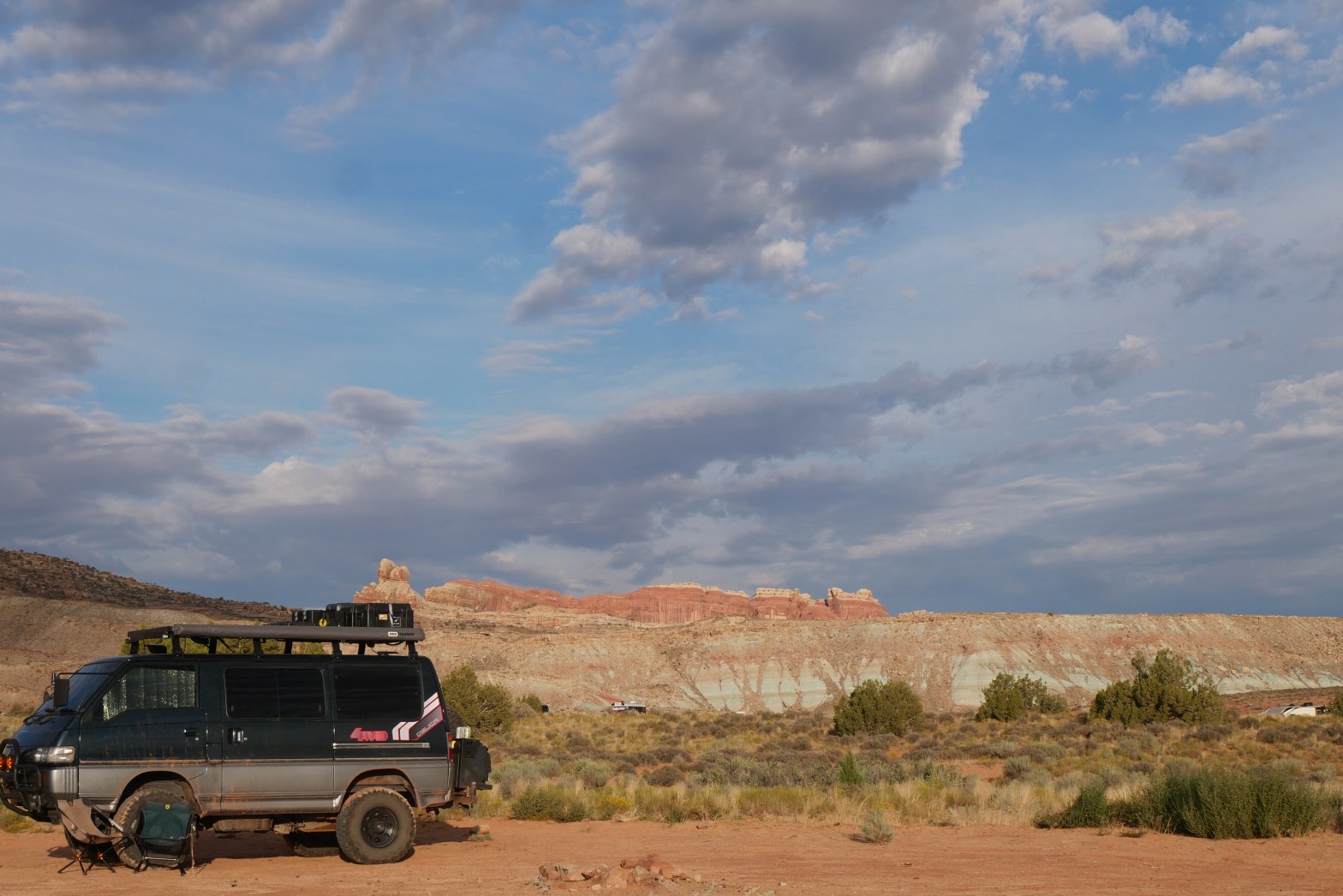
Our time in Utah was not just spectacular because of the three national parks we visited. We experienced some of the best camping of our entire trip.
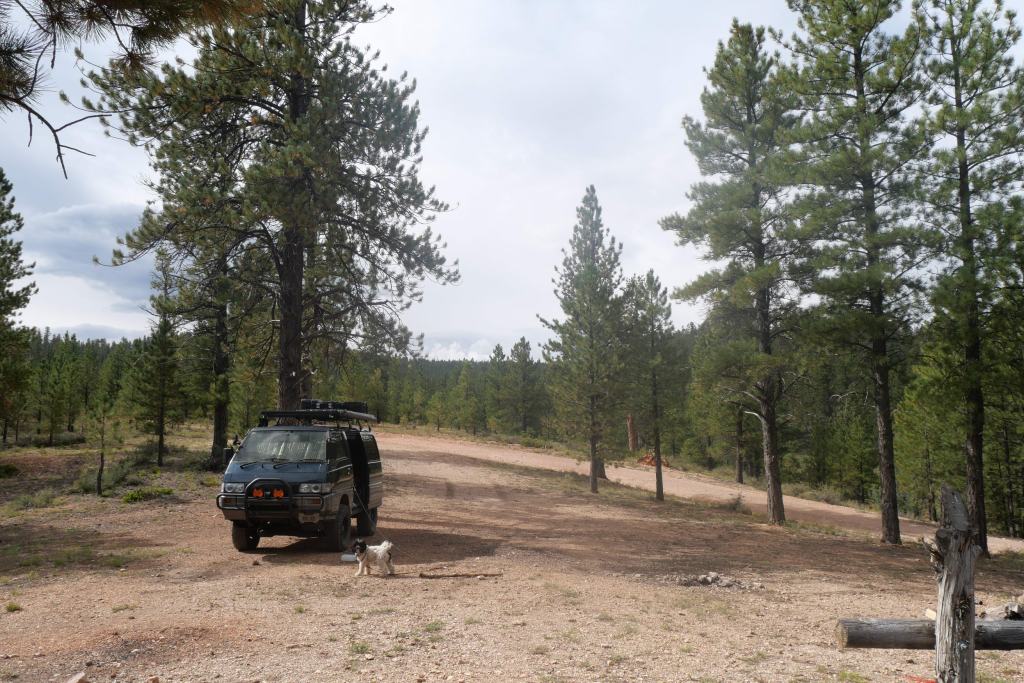
We first boondocked in Dixie National Forest near Bryce Canyon National Park. We arrived later in the day, and after driving down the forest road, we picked the best, flattest site. We had the entire place to ourselves.
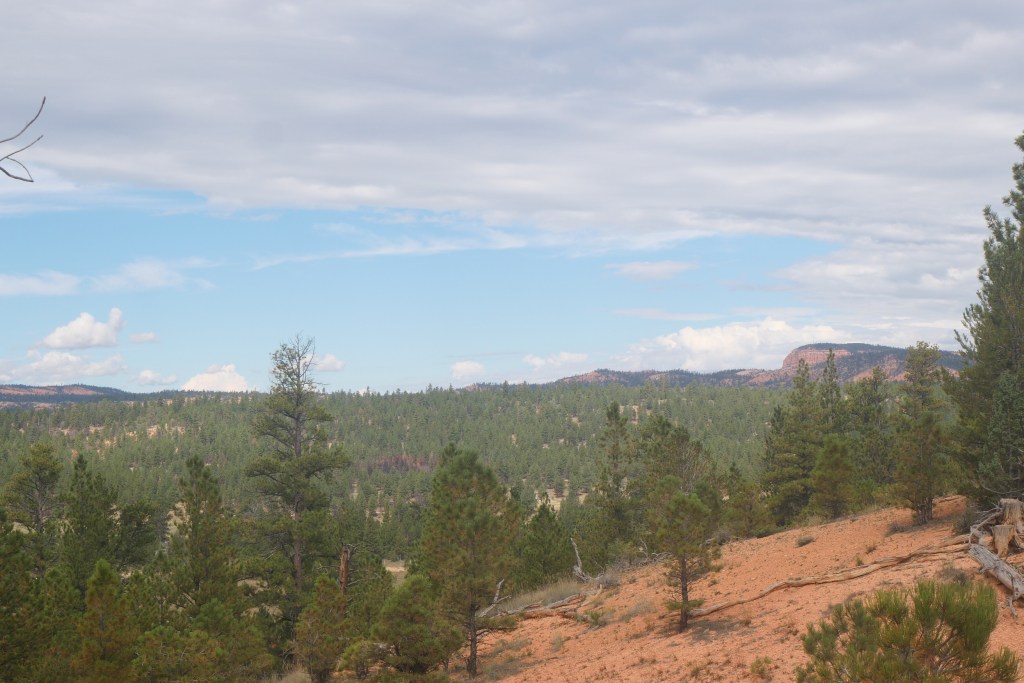
Poppy and I enjoyed the scenery on our walks. It was very peaceful.
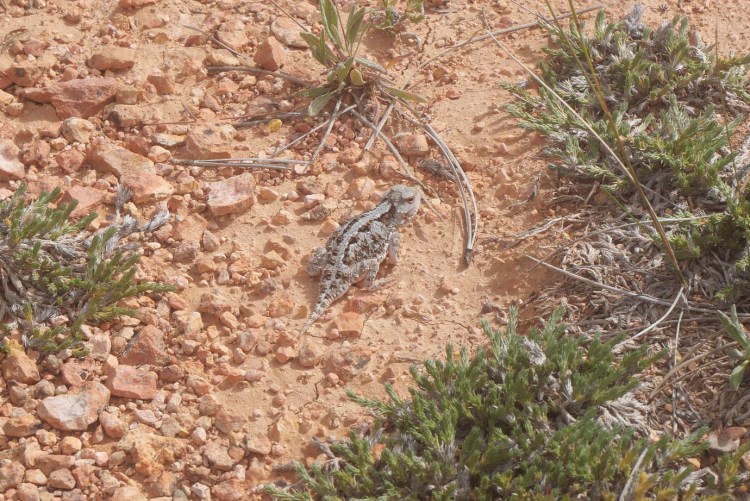
Poppy rousted this guy (Short Horned Lizard) out from under a plant. He was kind enough to freeze long enough for me to take a picture of him. At first, I thought Poppy had gotten his tail, but they have a stubby tail.
The next day, we drove further down the road and turned onto an even rougher rutted road (Great Western Trail) through the forest to get to the park. The road came out at the entrance. We decided to stay another night since we were going back to the park a second day.
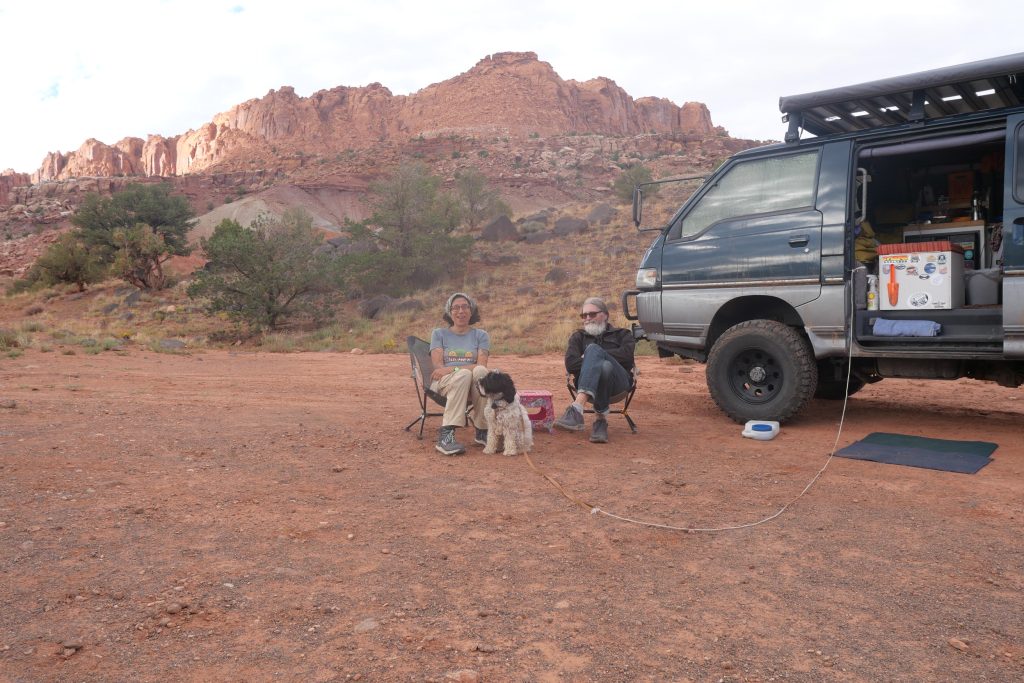
Our next boondocking spot was in Fishlake National Forest in the Capitol Reef area of Utah. There were quite a few vehicles already there, but we found a large nook all to ourselves.
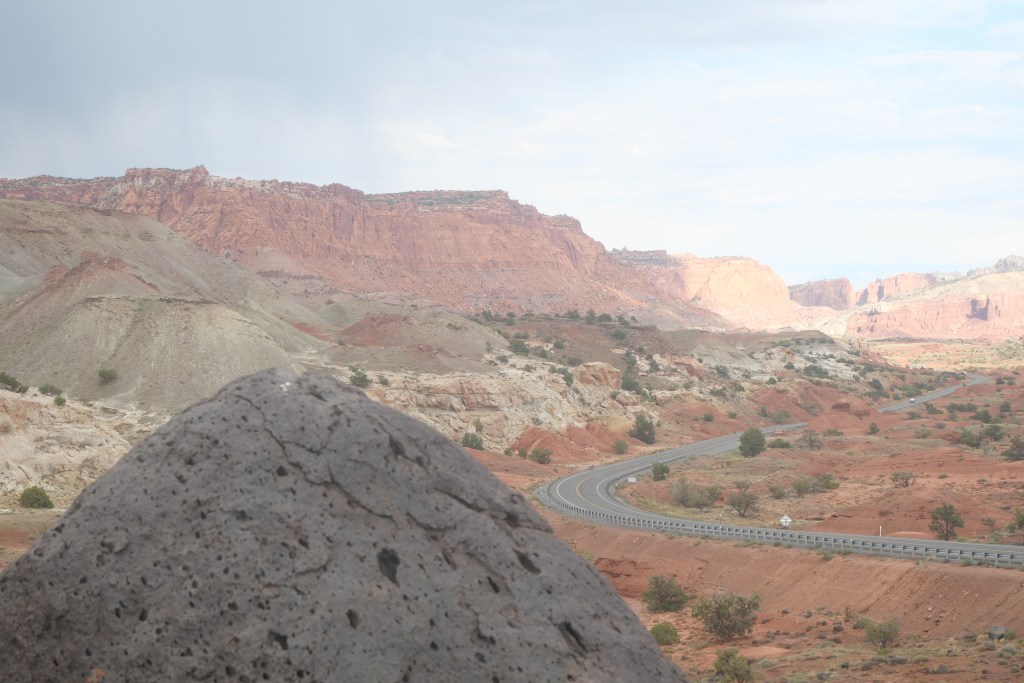
Although it was right off the highway, it was peaceful and one of the most beautiful places we had ever stayed. It rivaled the North Rim of the Grand Canyon.
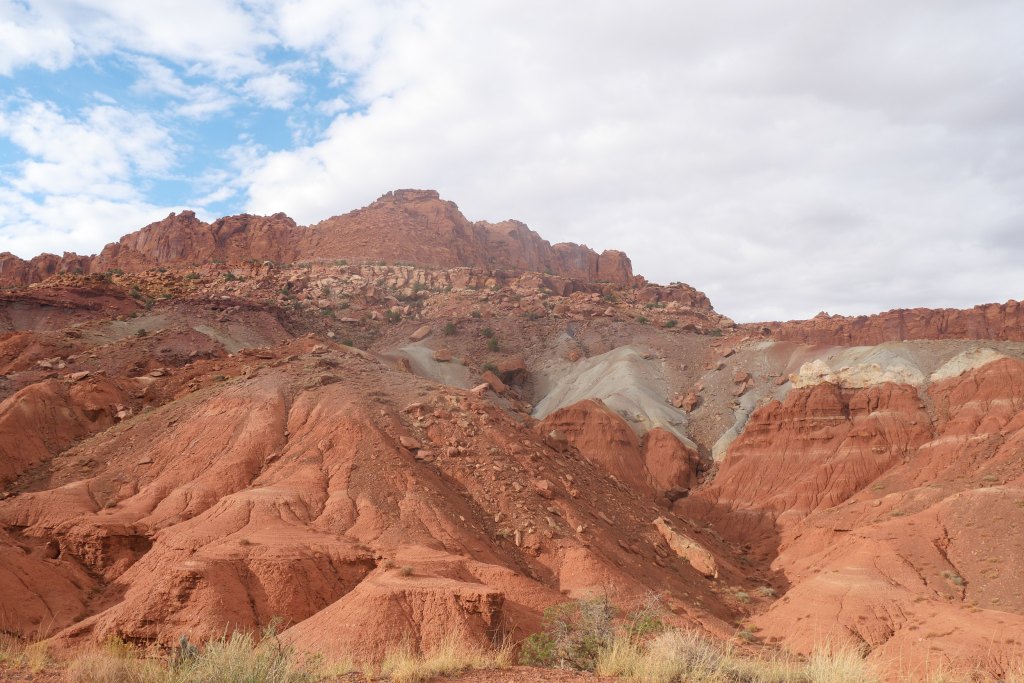
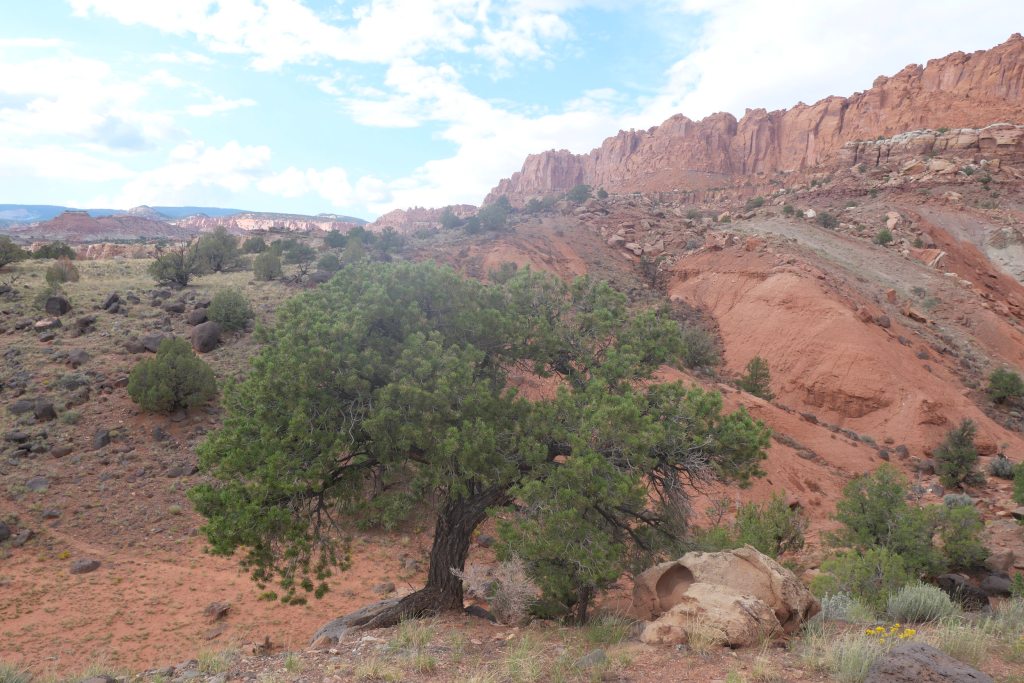
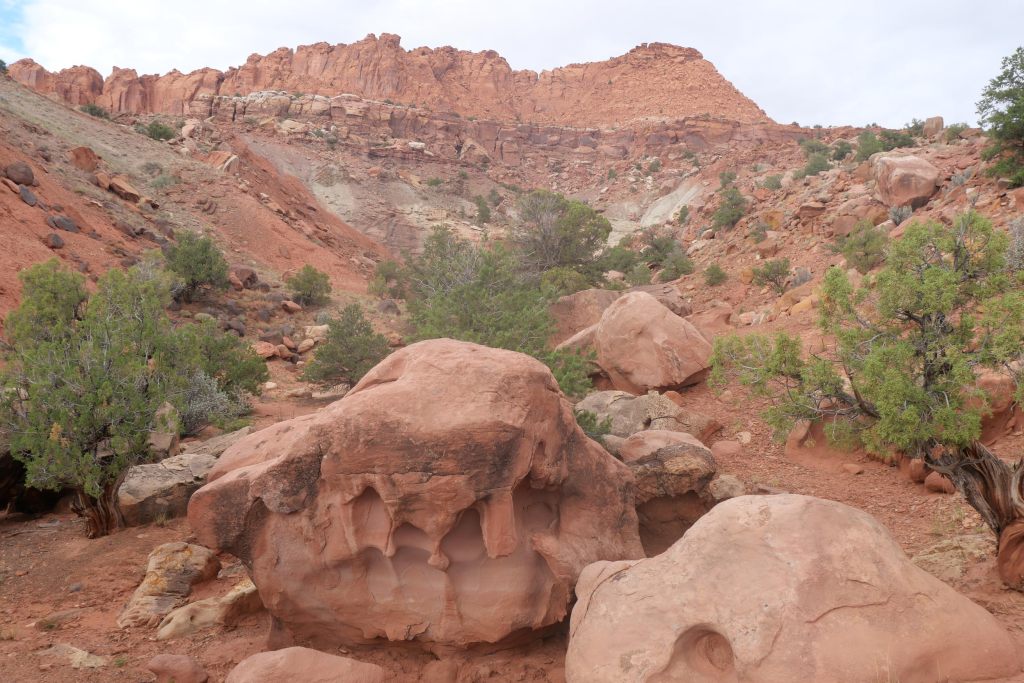
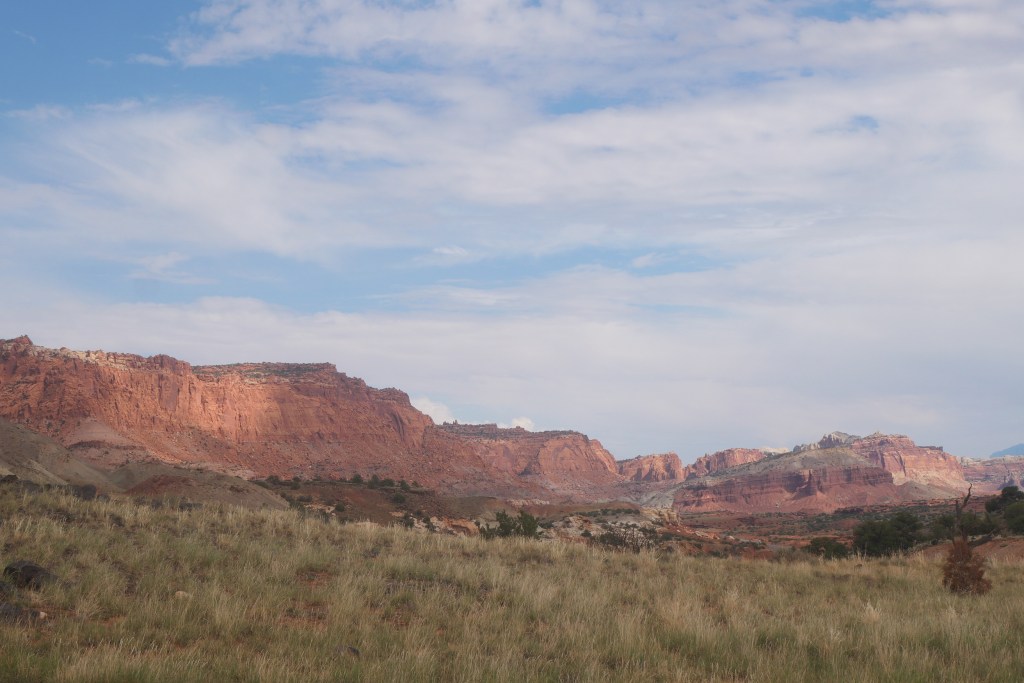
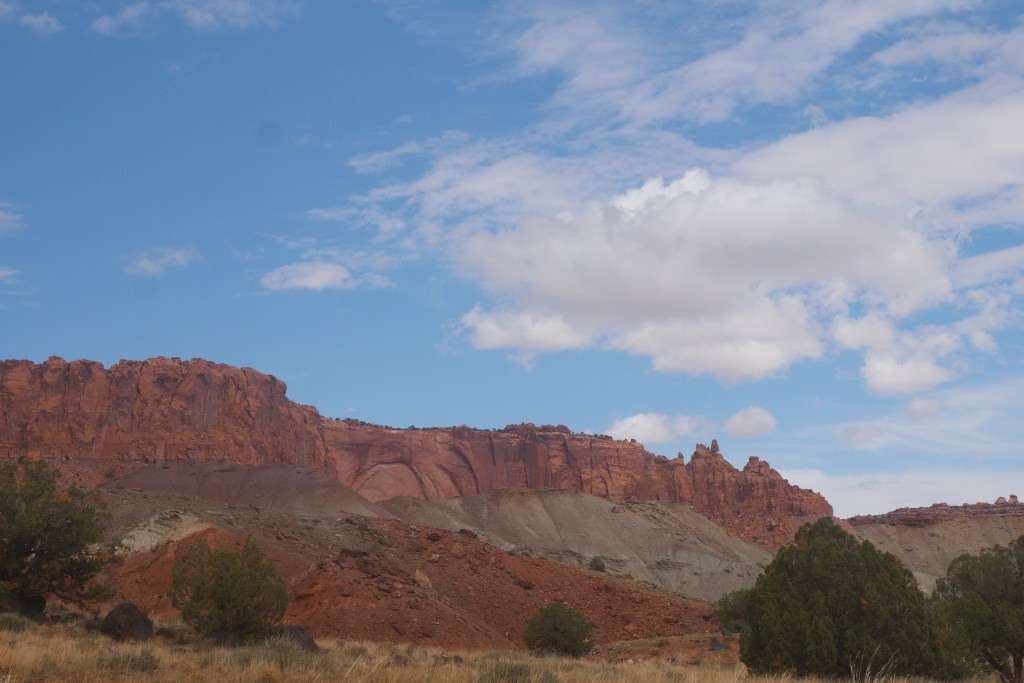
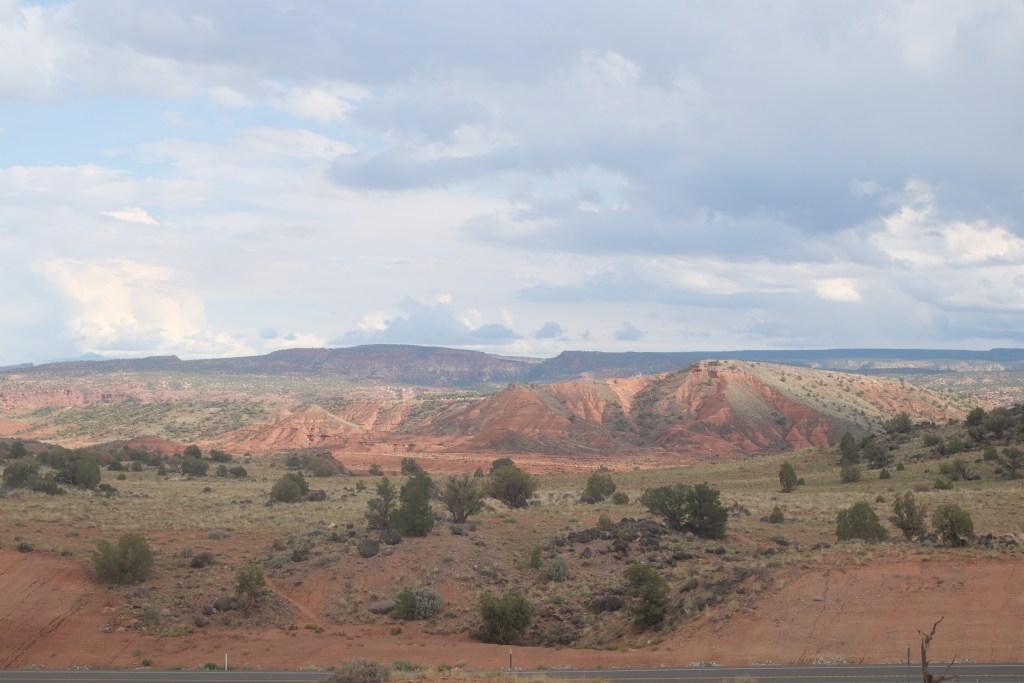
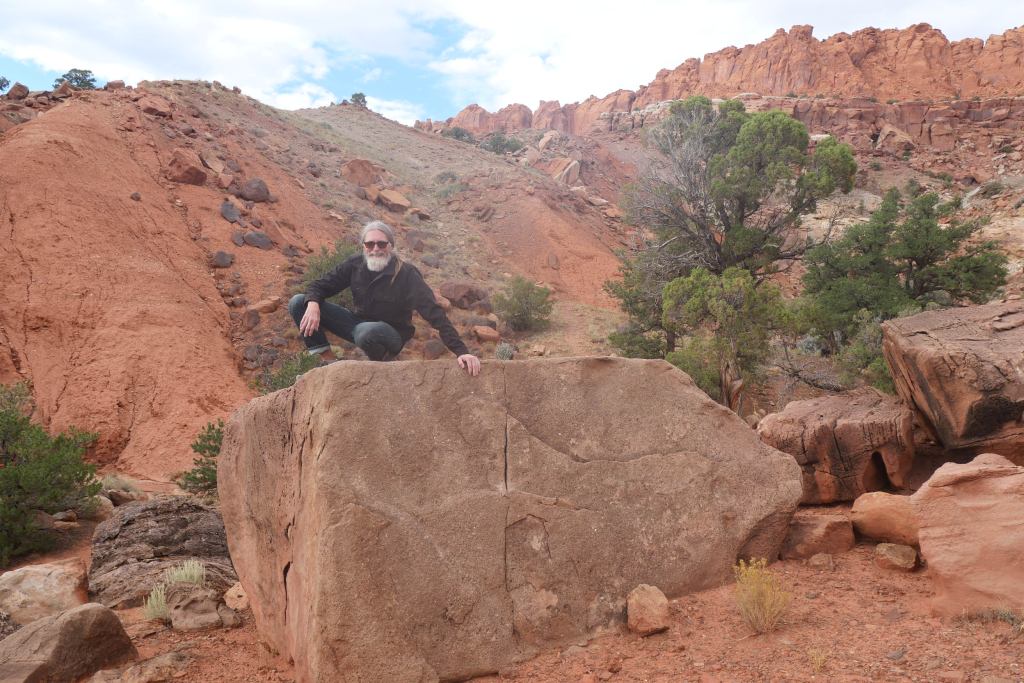
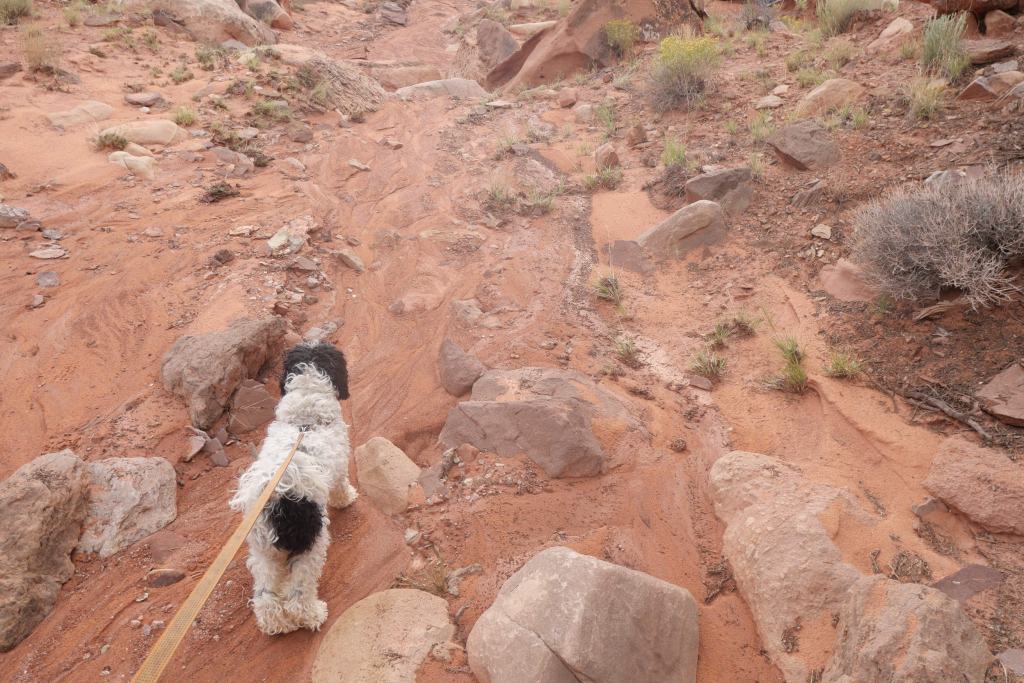
We were able to explore. Walking up and over a hill into a wash. There was a way to get to a 3.5-mile old cow path, but we didn’t get to it during this stay.
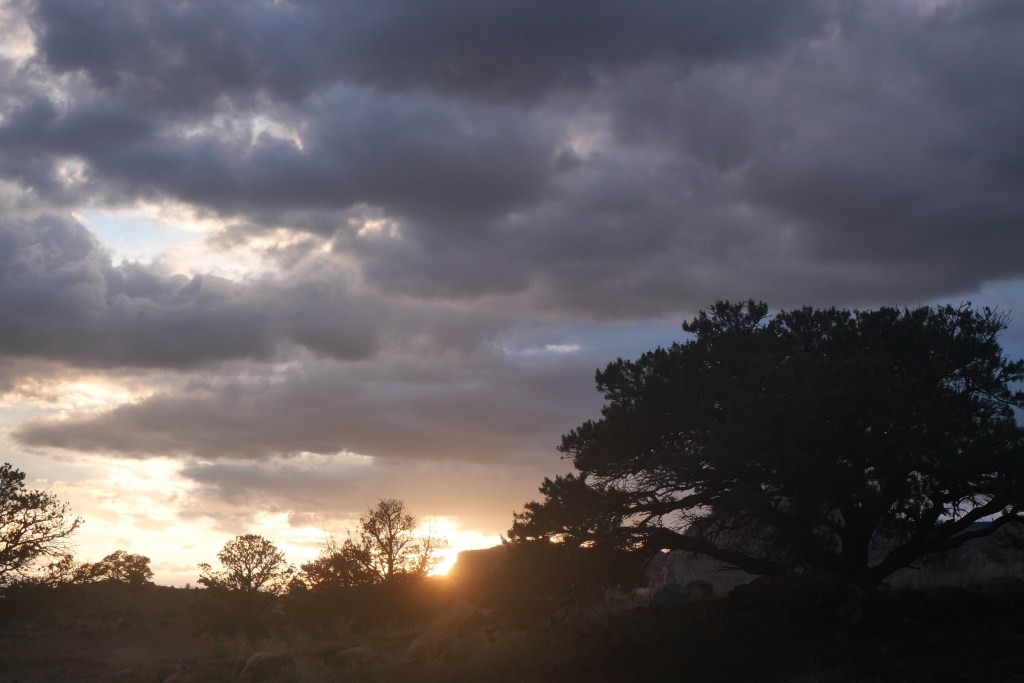
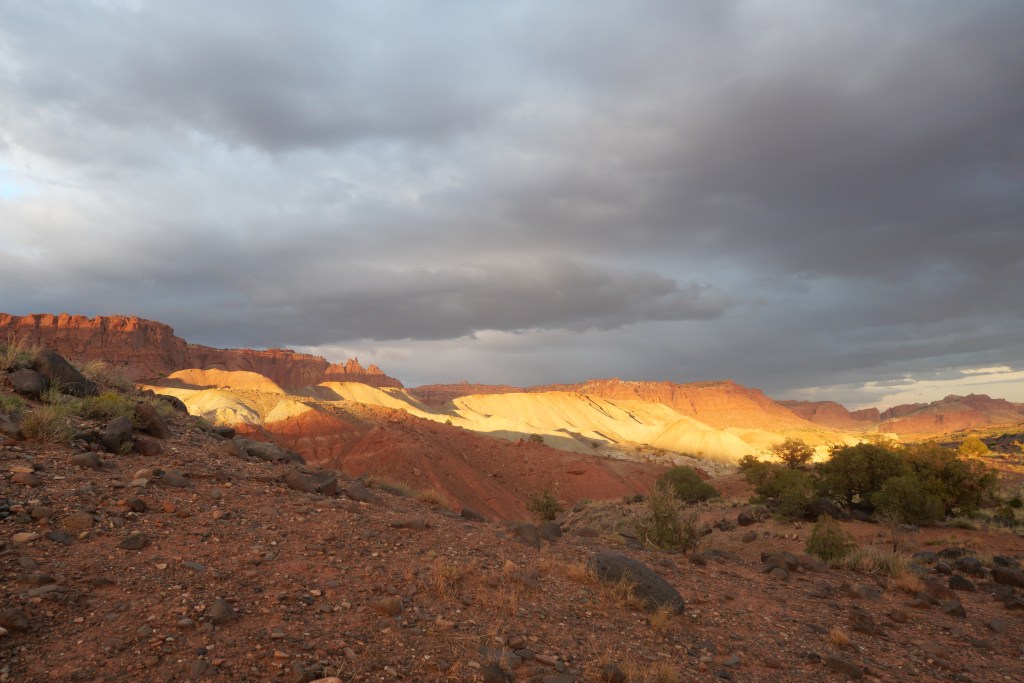
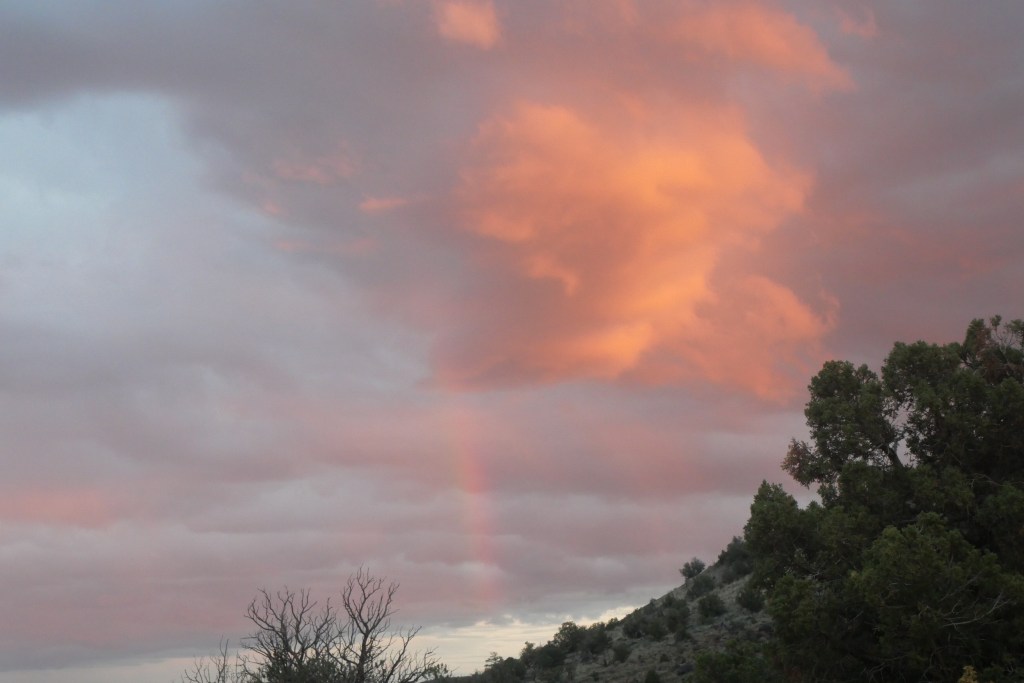
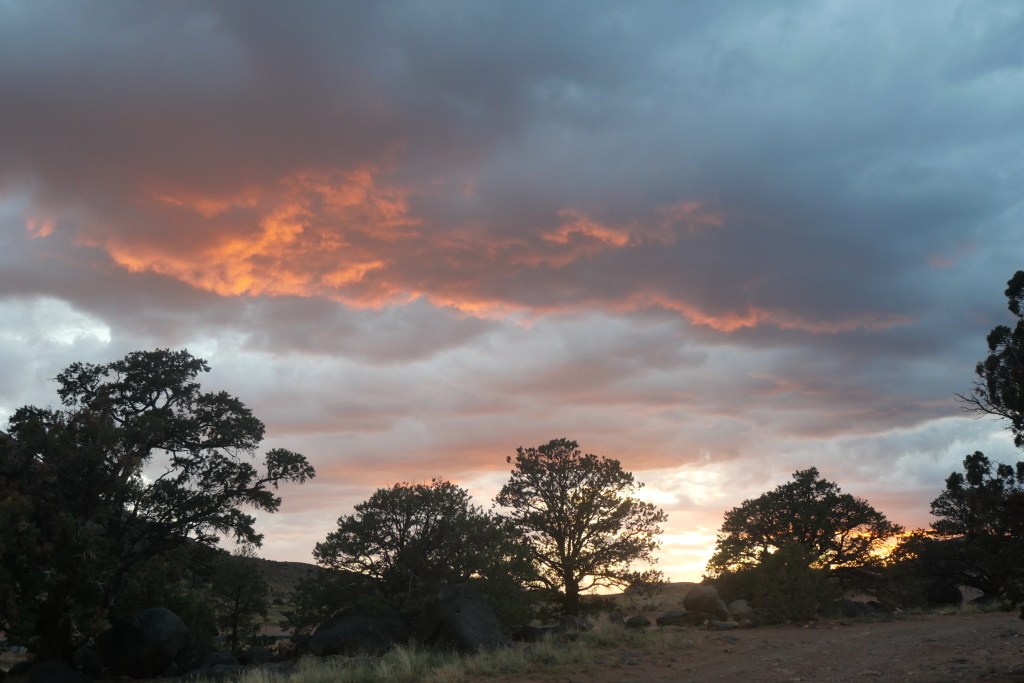
There was a beautiful sunset making up for the cloudy skies.
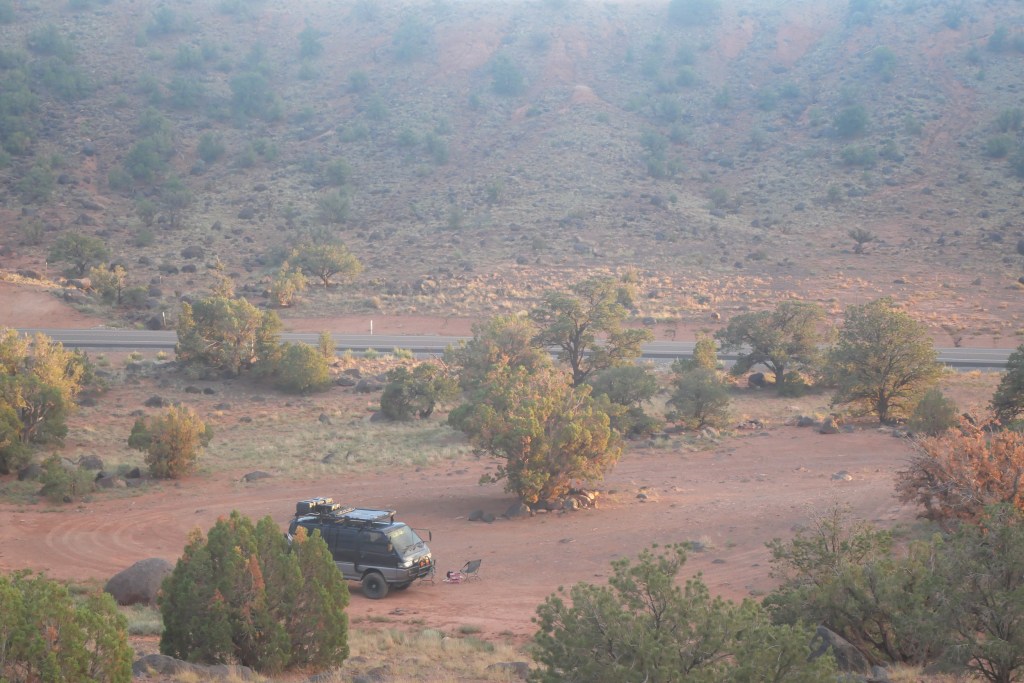
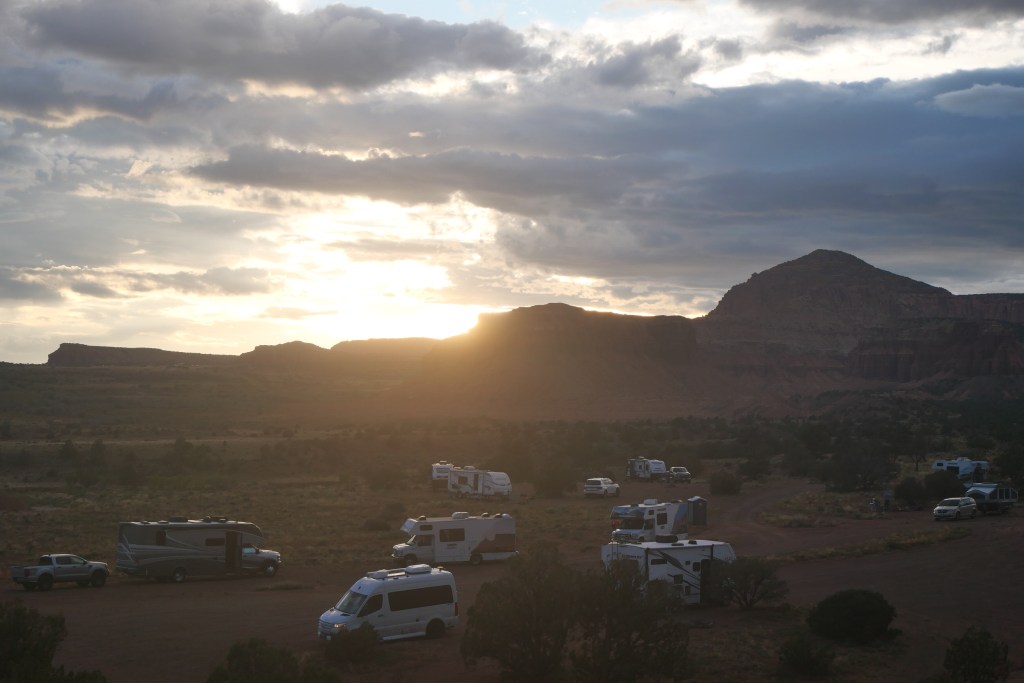
Another thing we loved about this boondocking site was that we had a large space all to ourselves. As each RV, fifth wheel, and van pulled in, we worried that we would have to share our space. Instead, everyone gathered together in the other section. We found it odd but were happy.
The night before we visited Arches National Park, we decided to camp on BLM land. We came to find out that there was no longer any free camping on BLM land in Utah, but instead, campgrounds were developed and fee-based.
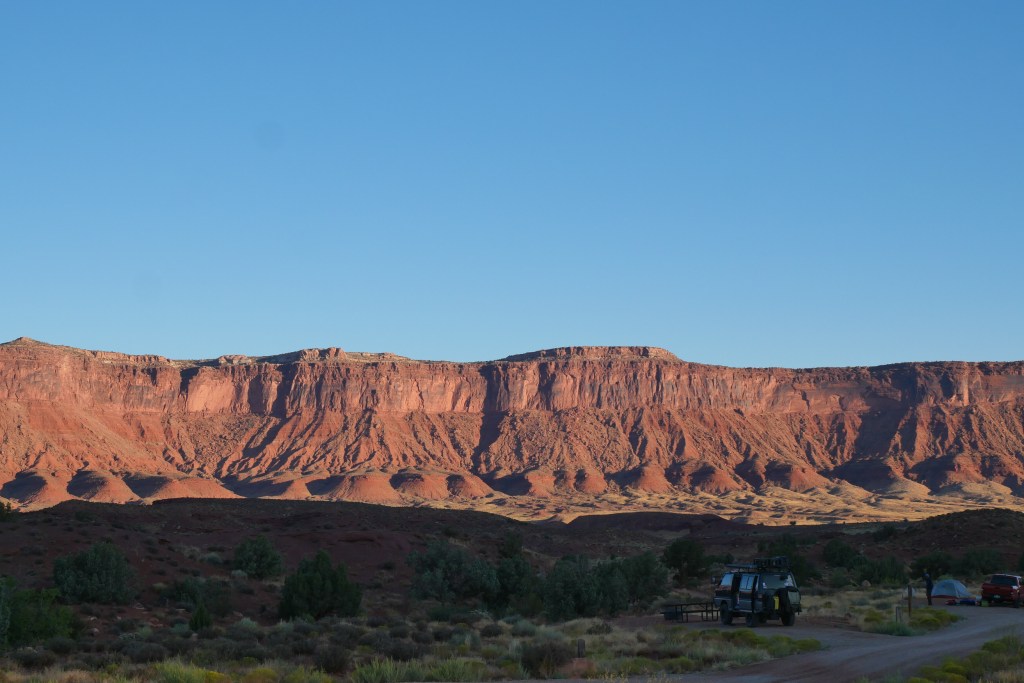
There were quite a few campgrounds on a state route outside of Arches. We drove by each one, only to find out they were full. As it got darker, we drove towards the campgrounds much further out. Success!
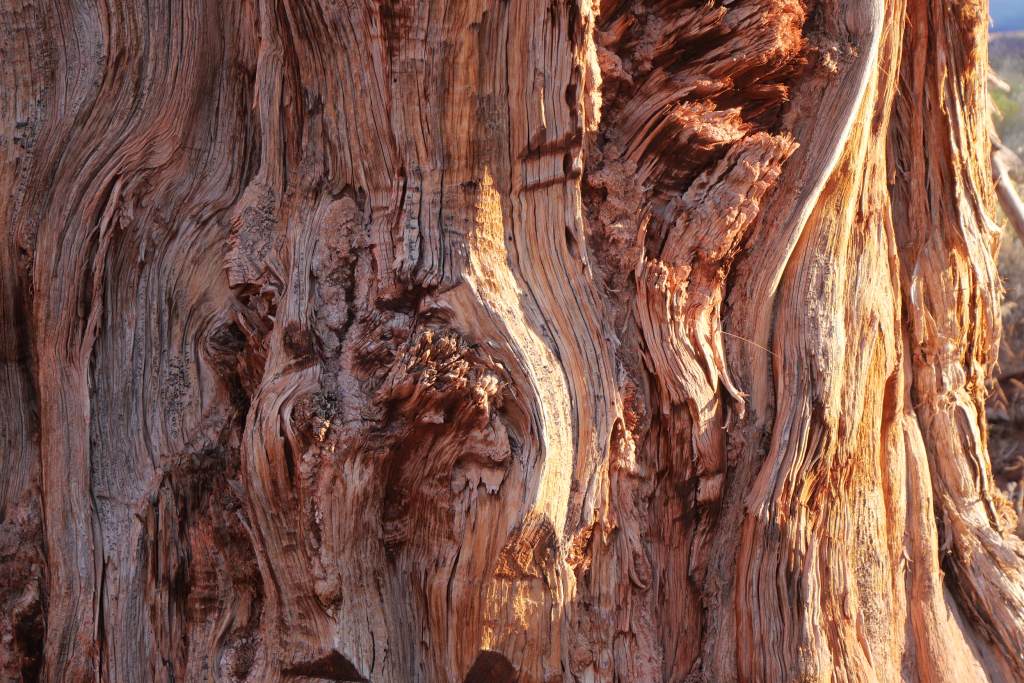
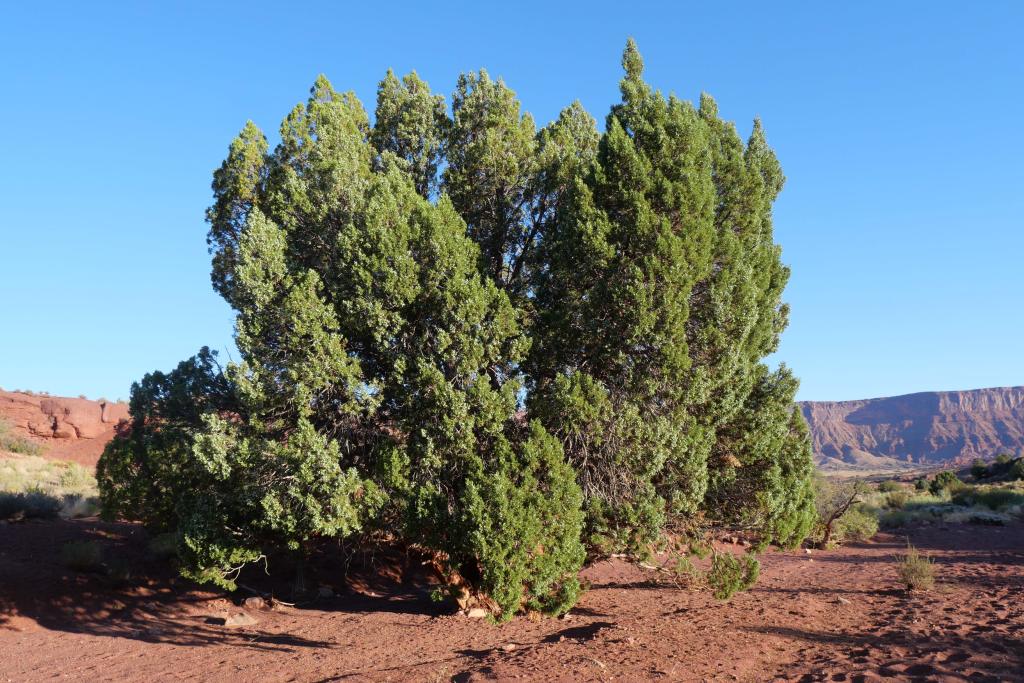
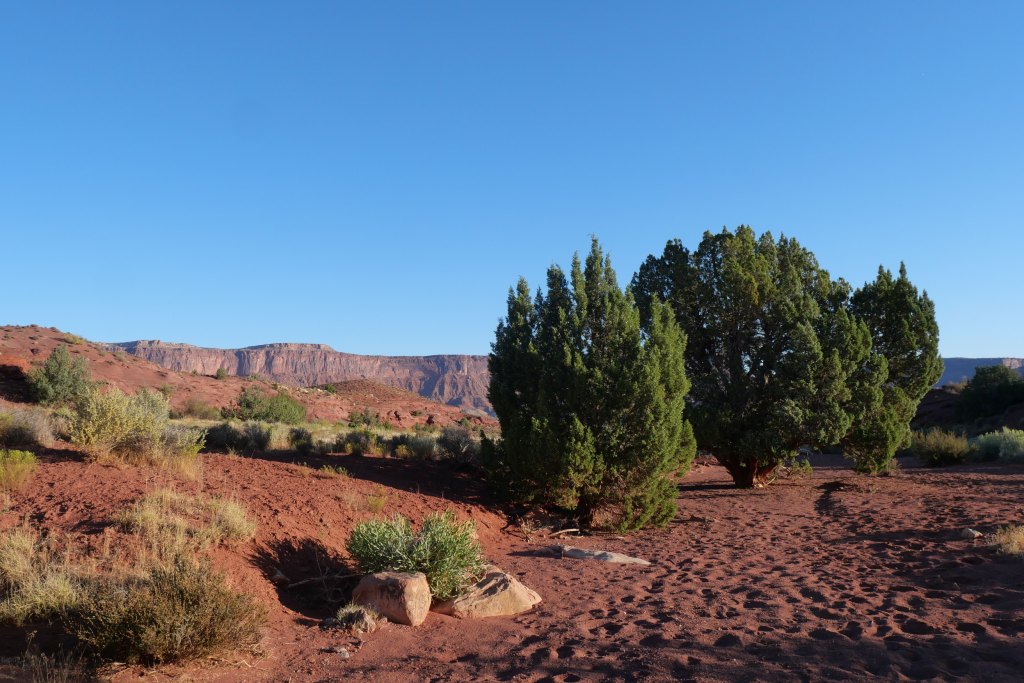
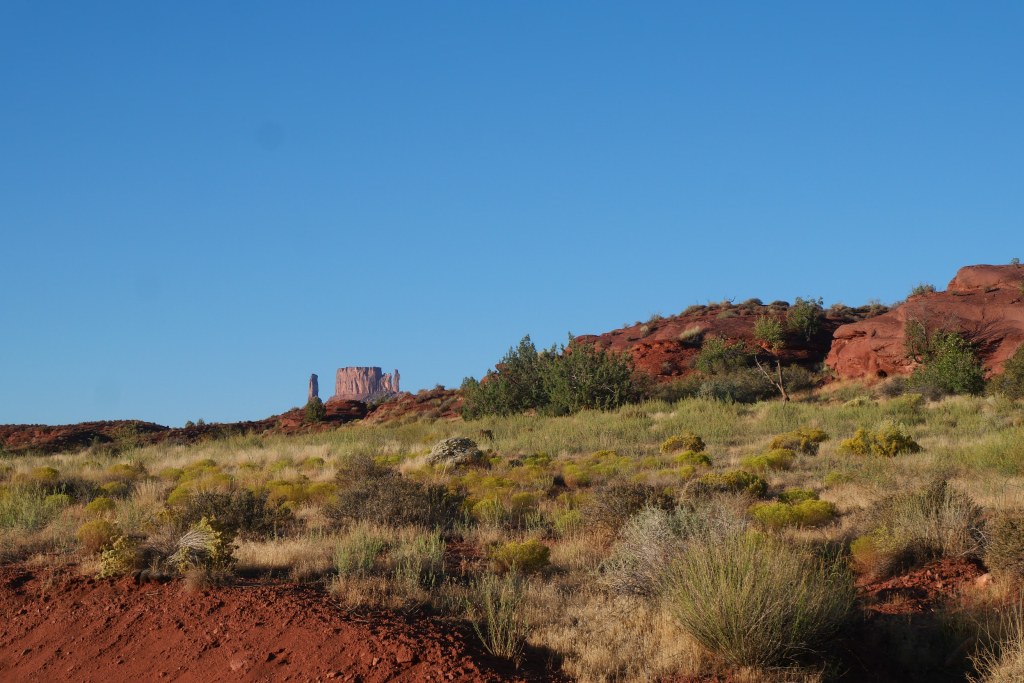
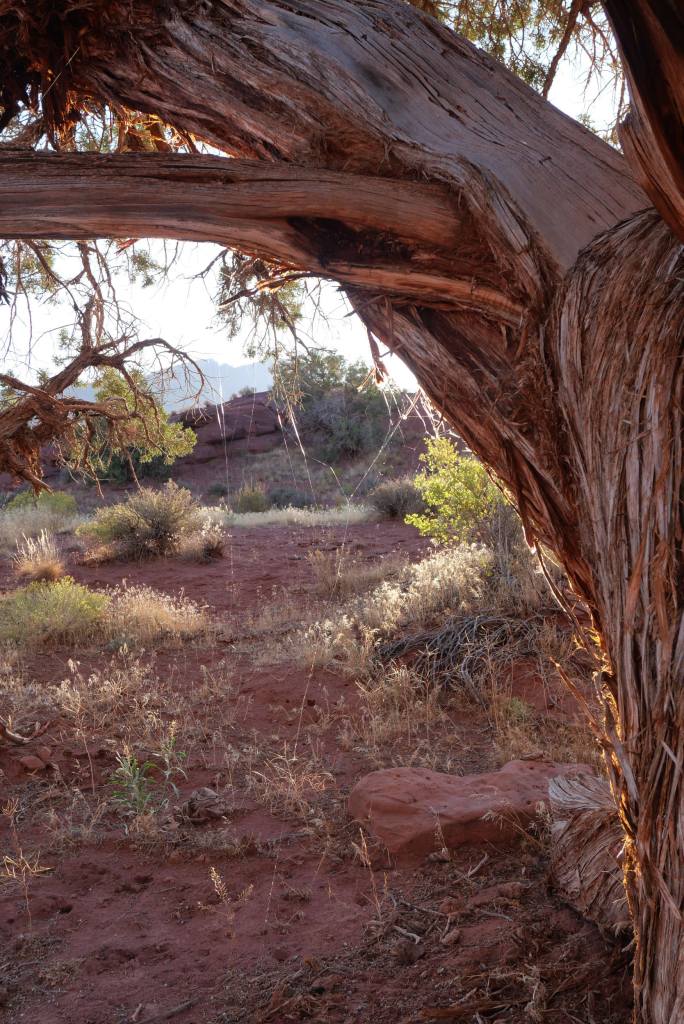
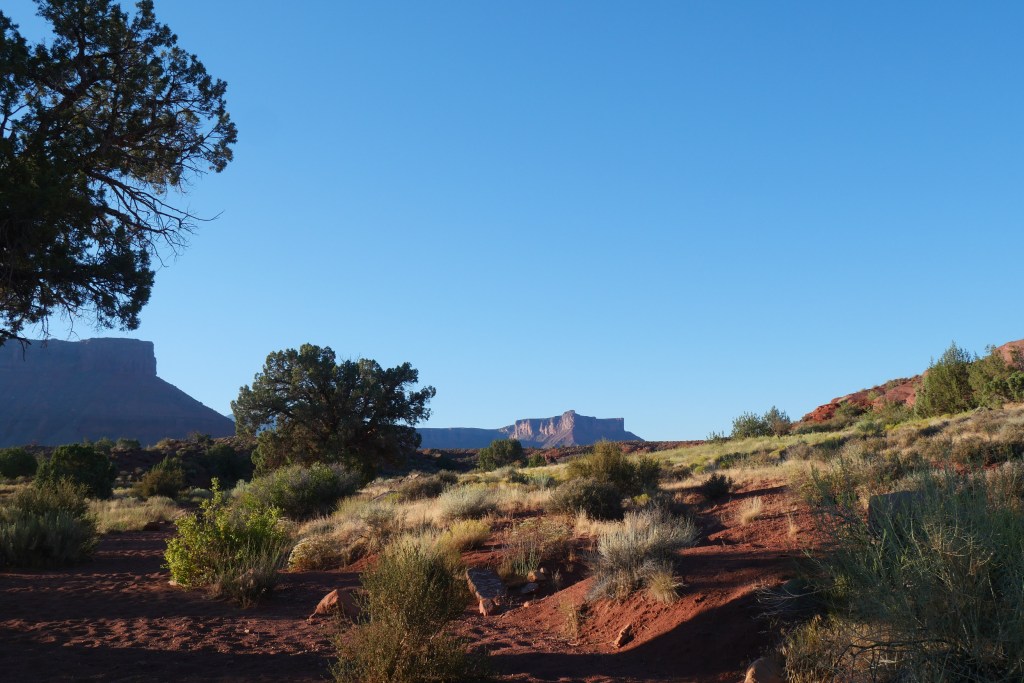
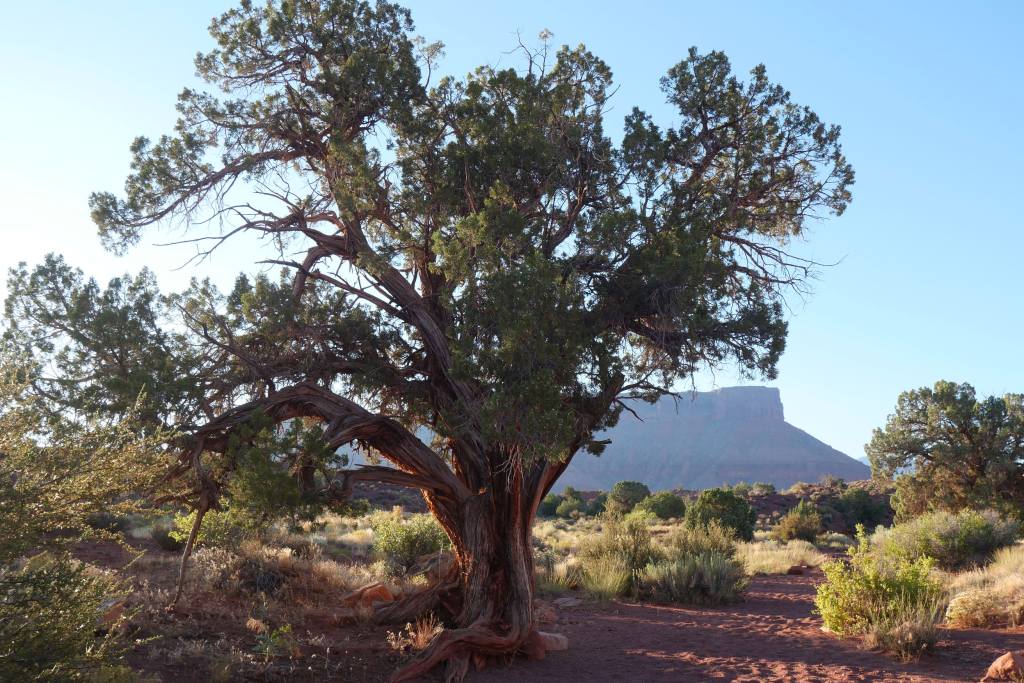
There was a hiking/equestrian trail that ran alongside the campground. Poppy and I had a lovely walk in the very deep, red sand.
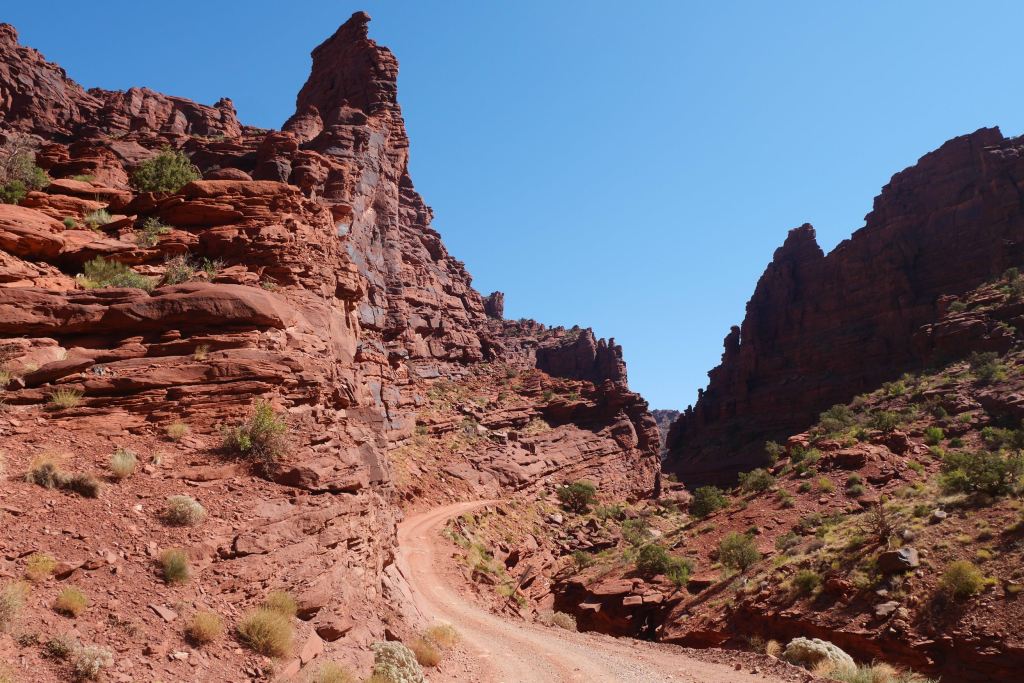
I walked over to a parking lot outside of the campground where a lot of ATV vehicles were going. Turns out there is a 14-mile road that leads to the 100-mile Kokopelli Trail, a technical jeep trail.
We decided to stay an extra day in order to drive this road to see the interesting eroded shapes of the Cutler Sandstone, a large salt diapir (dome), and the colorful Paradox salts.
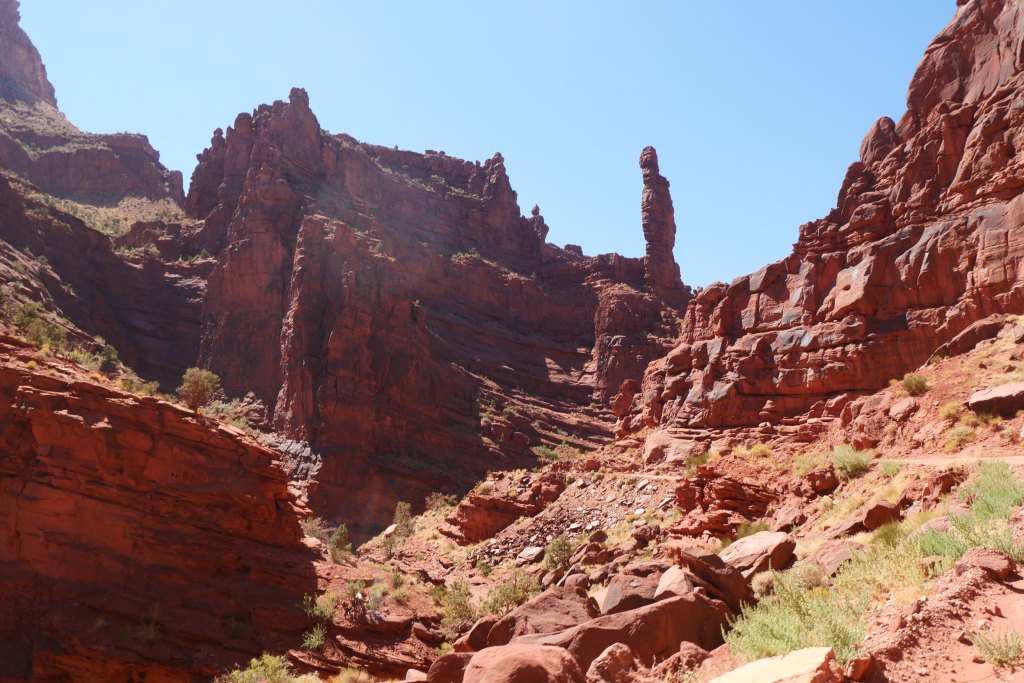
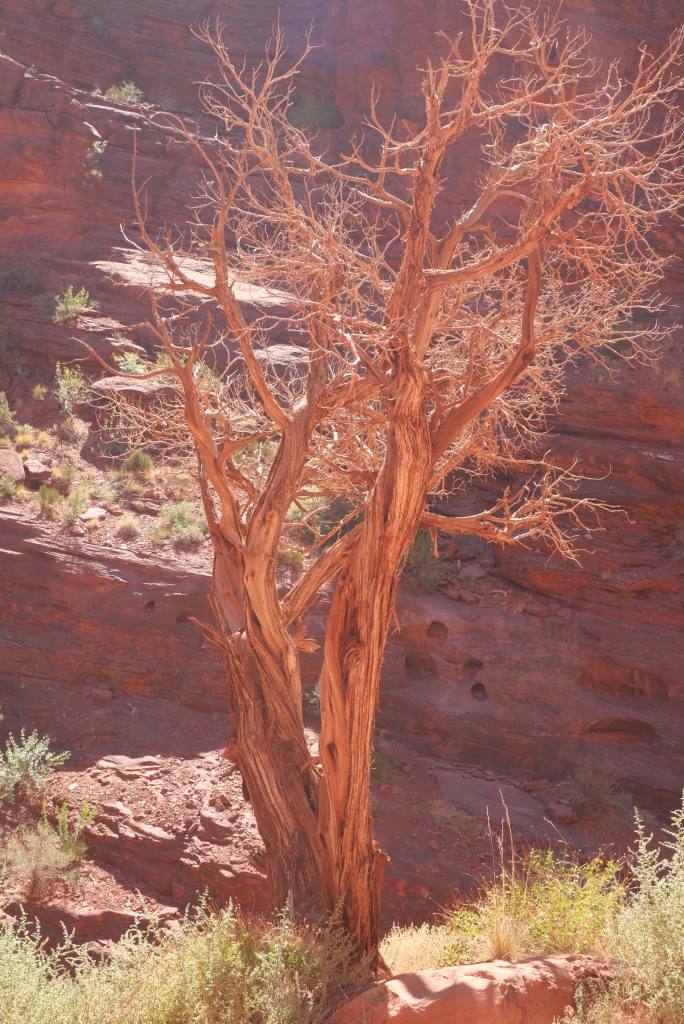
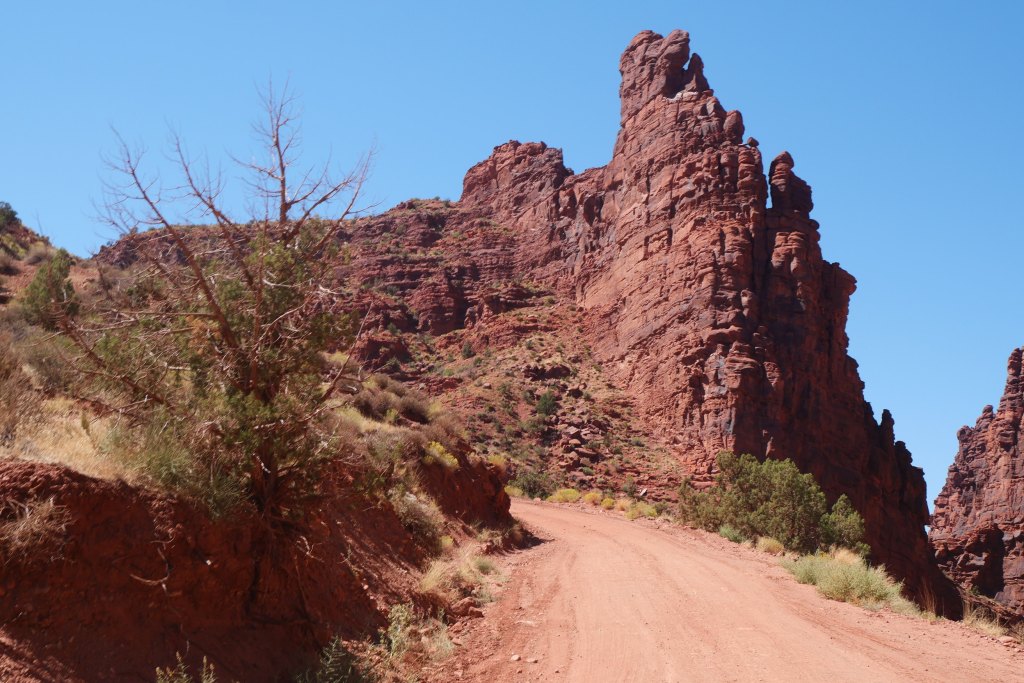

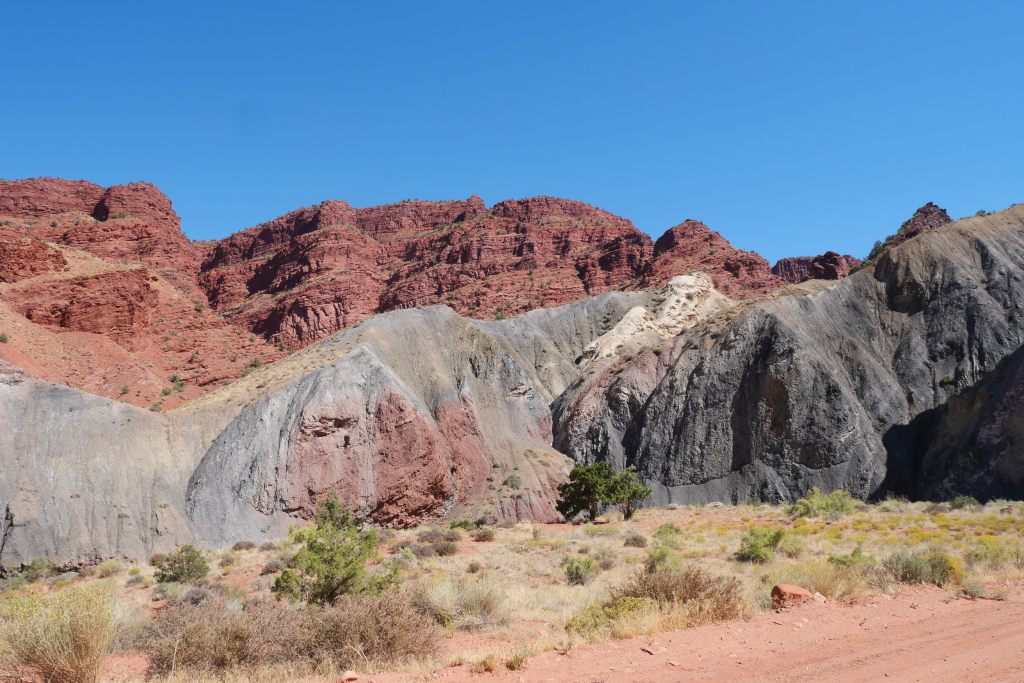
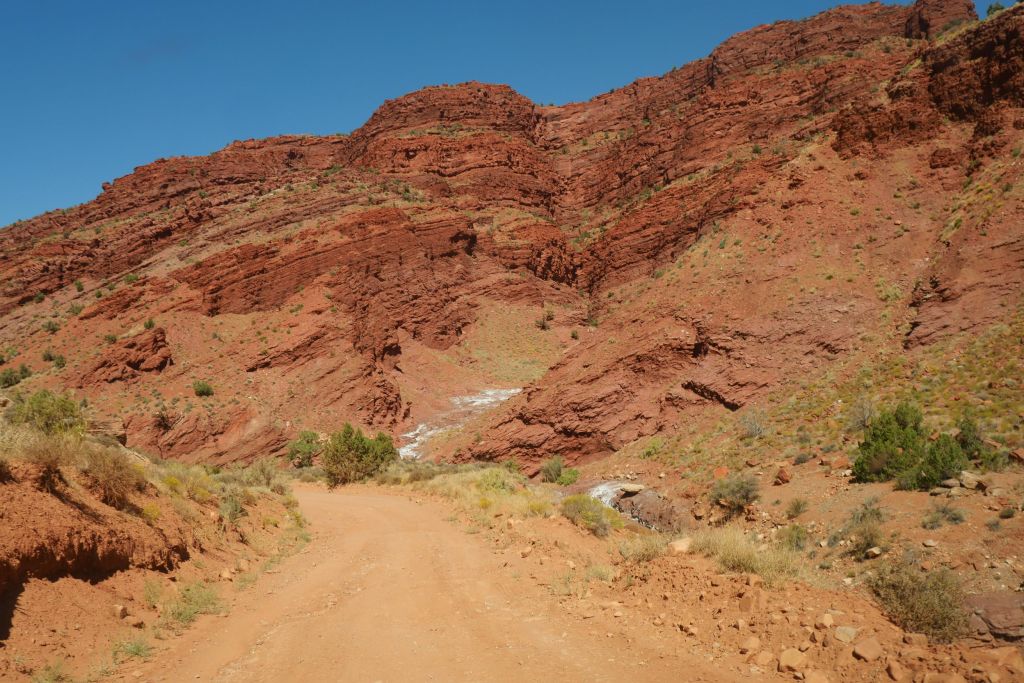
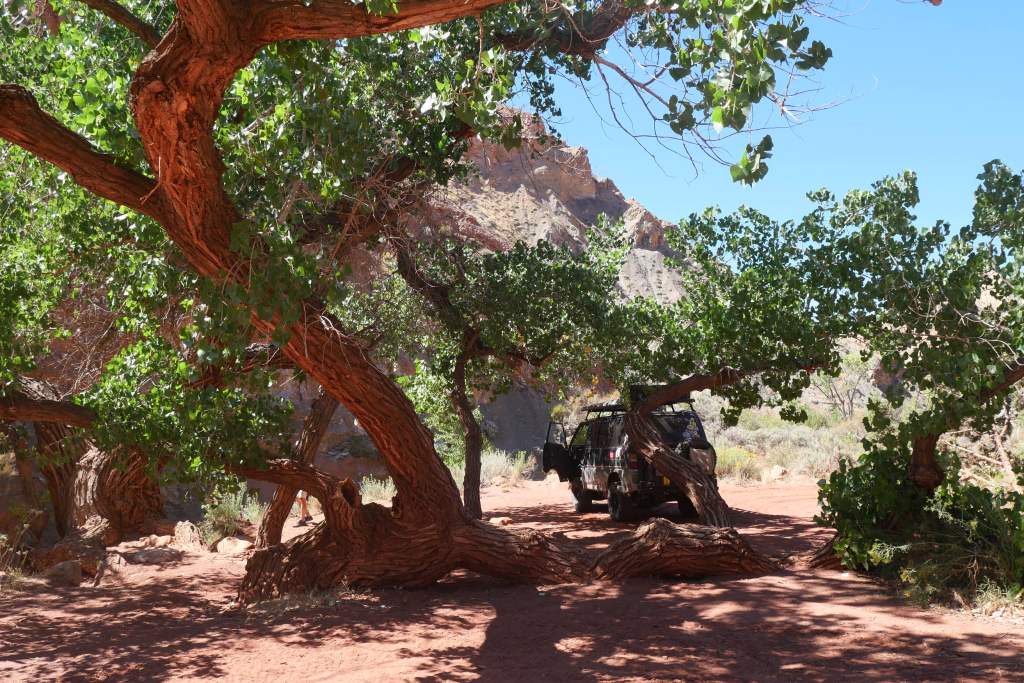

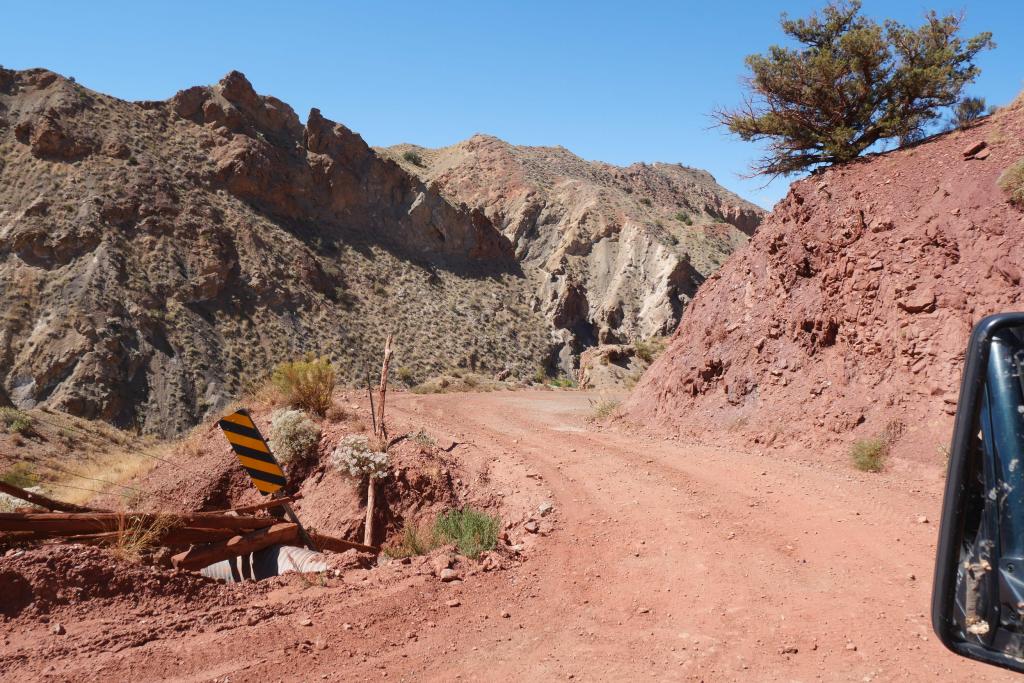
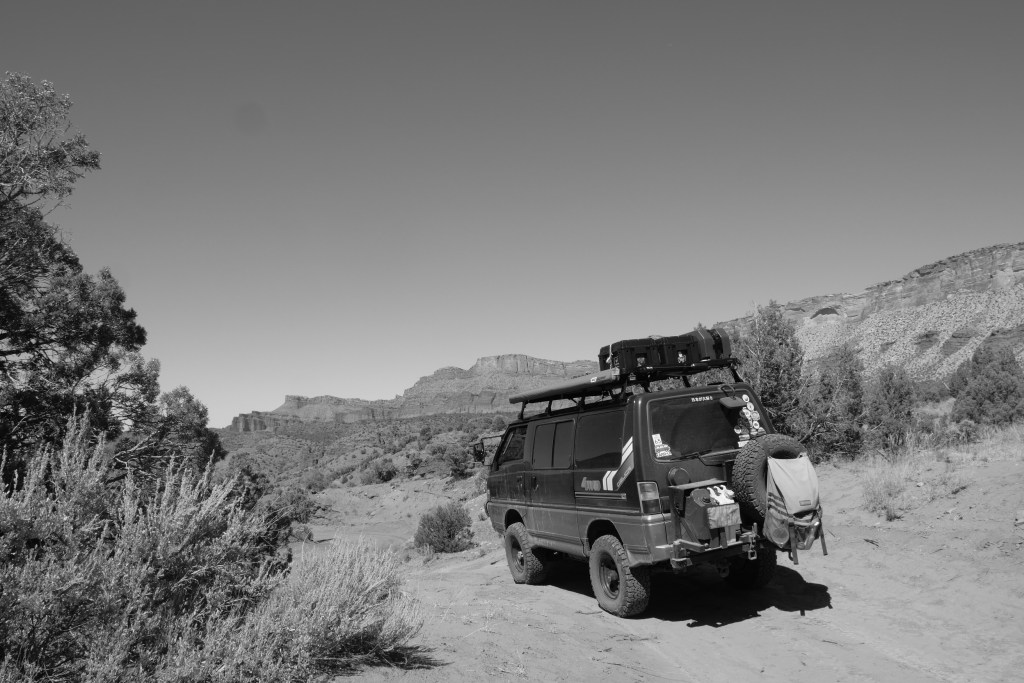
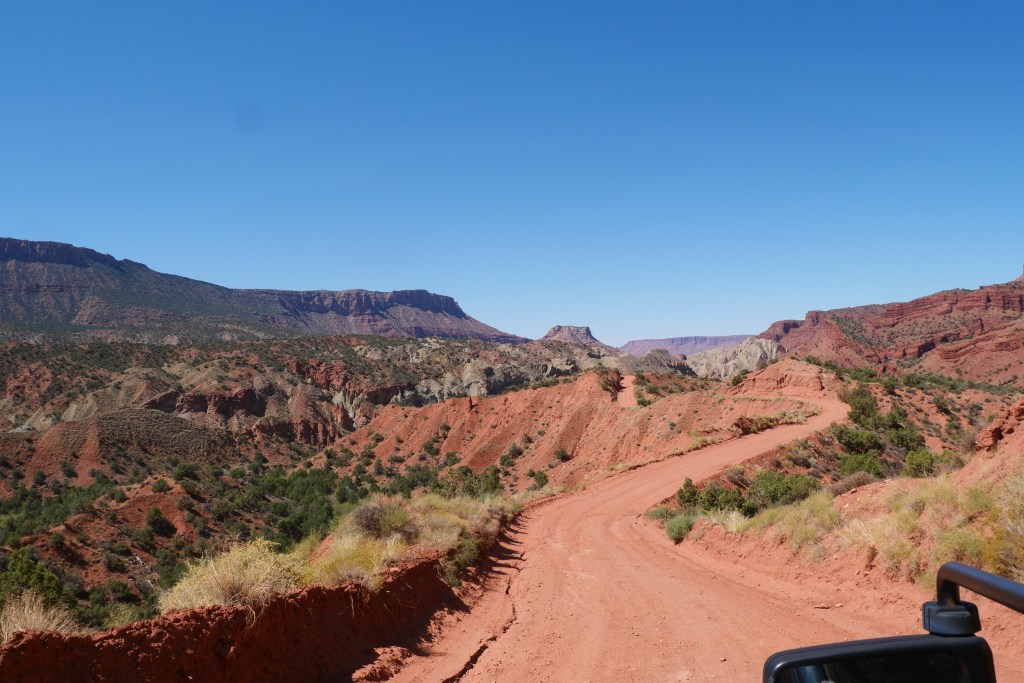
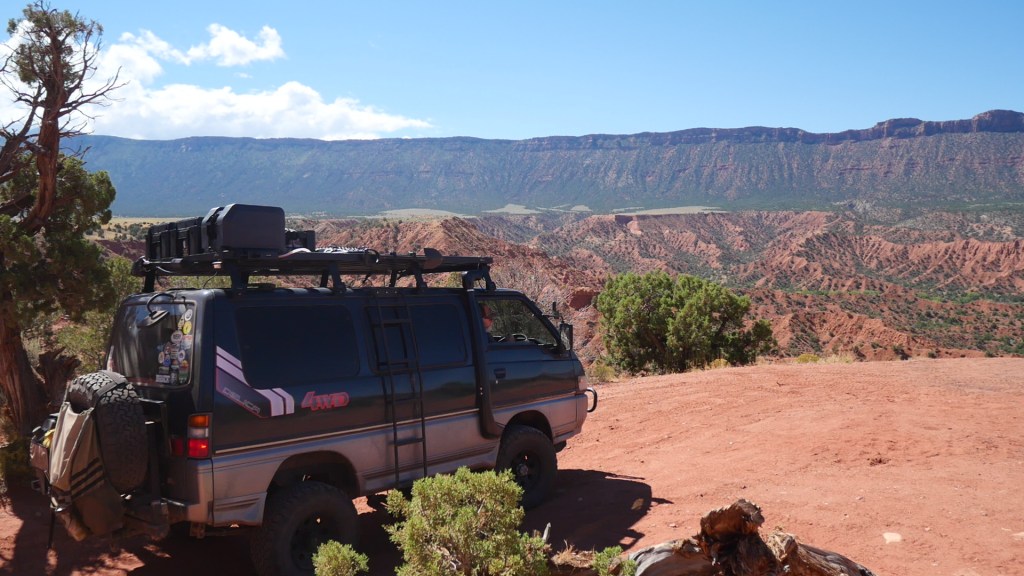

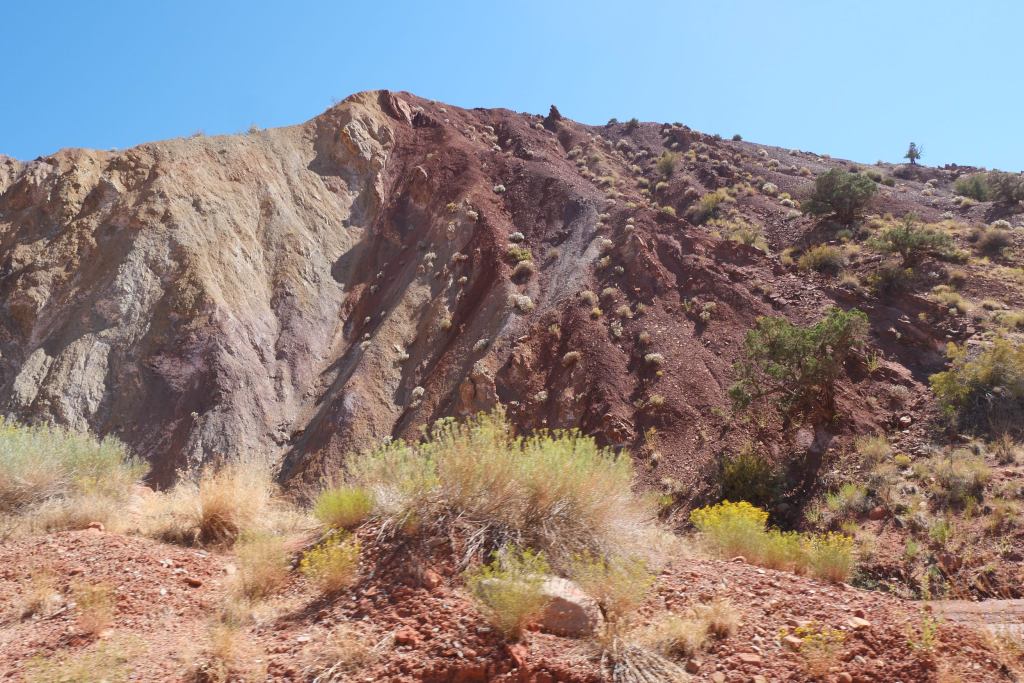

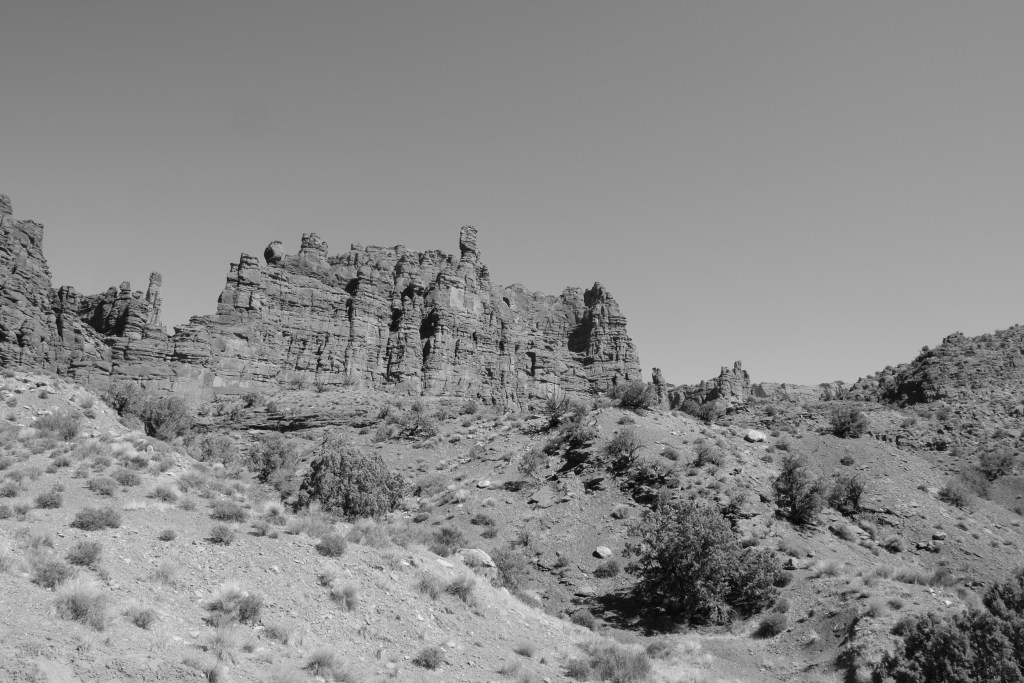

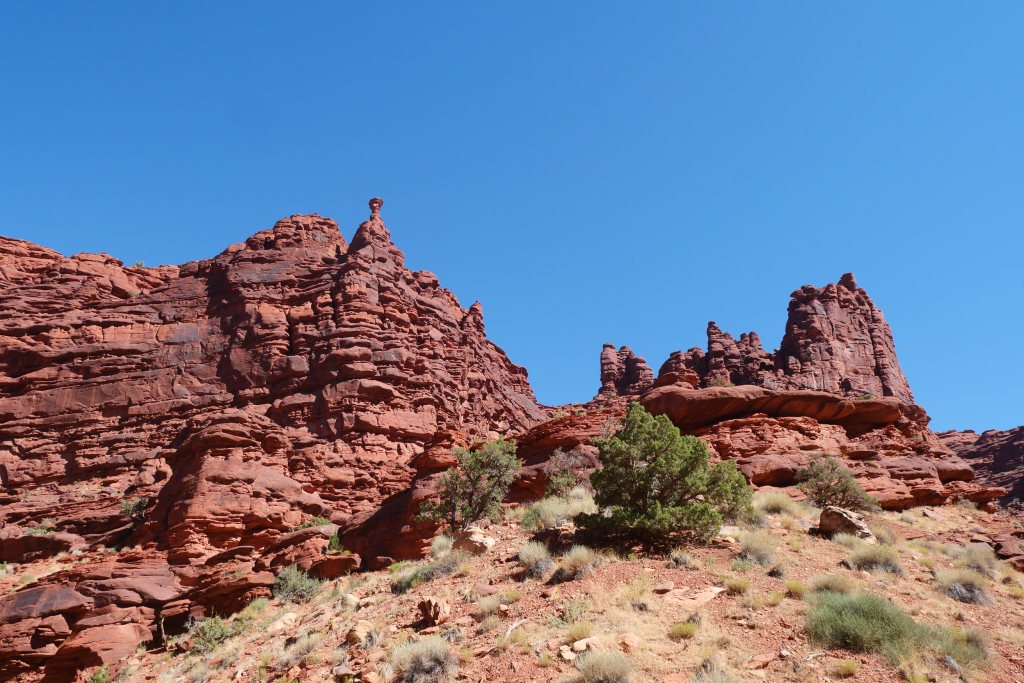

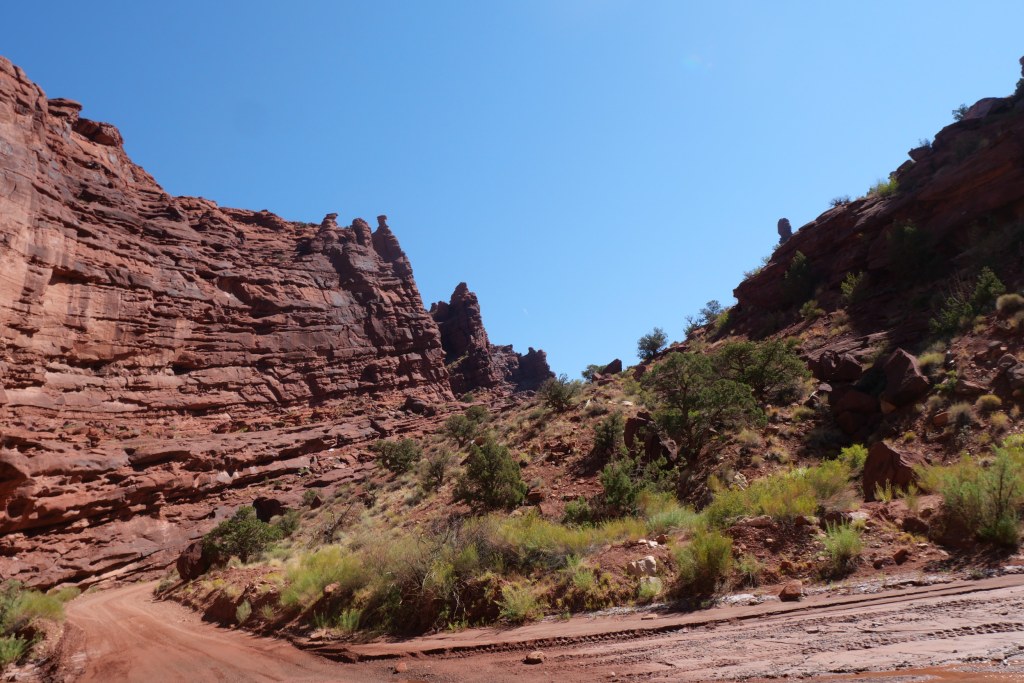

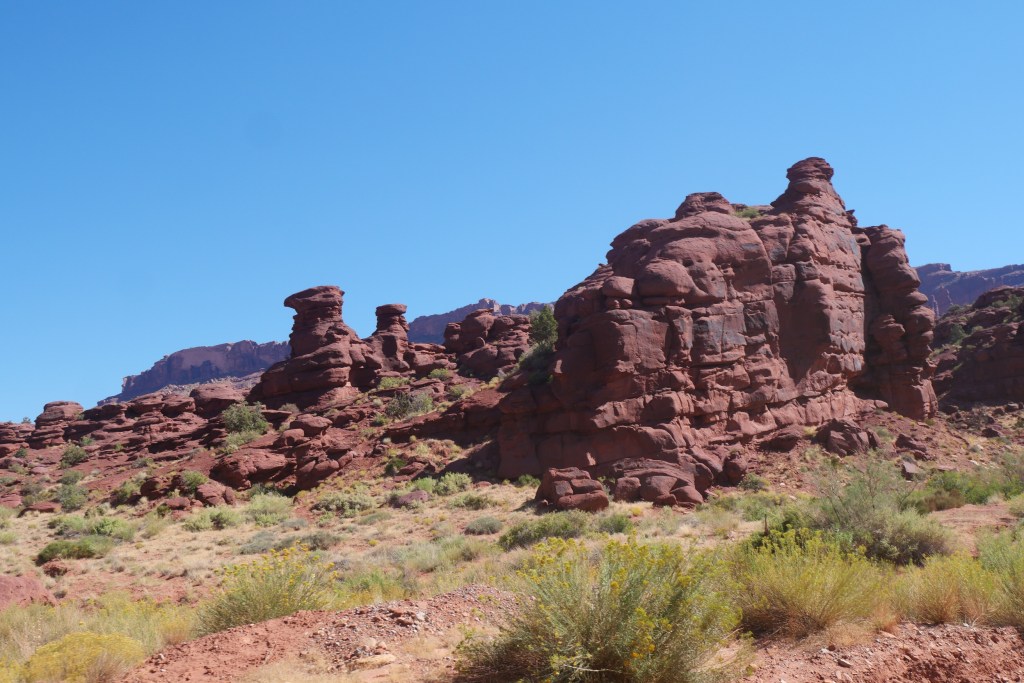
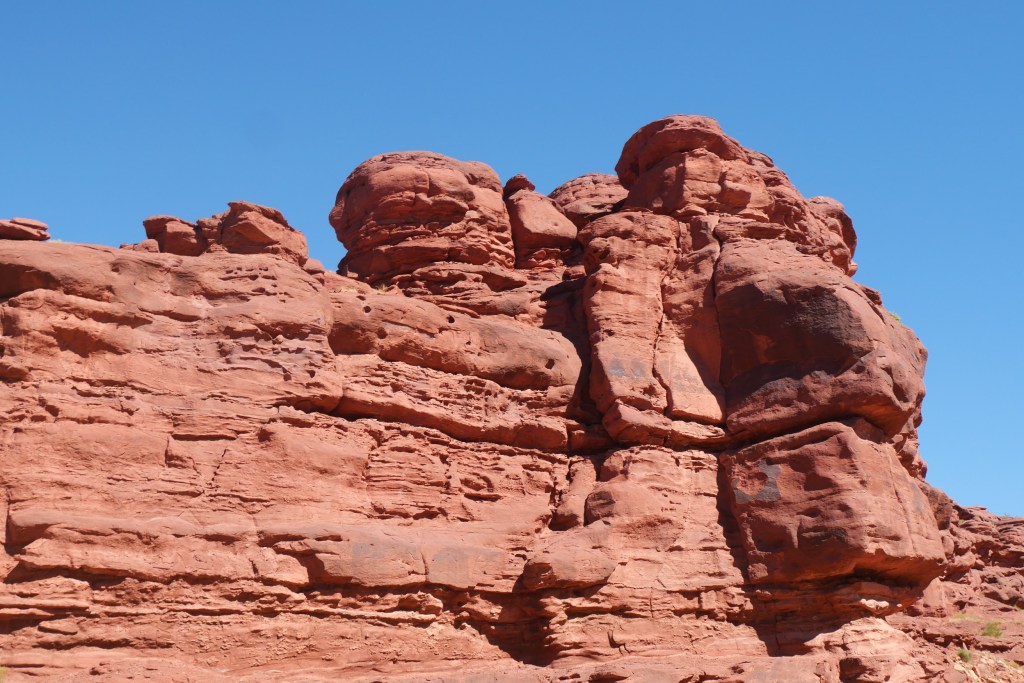
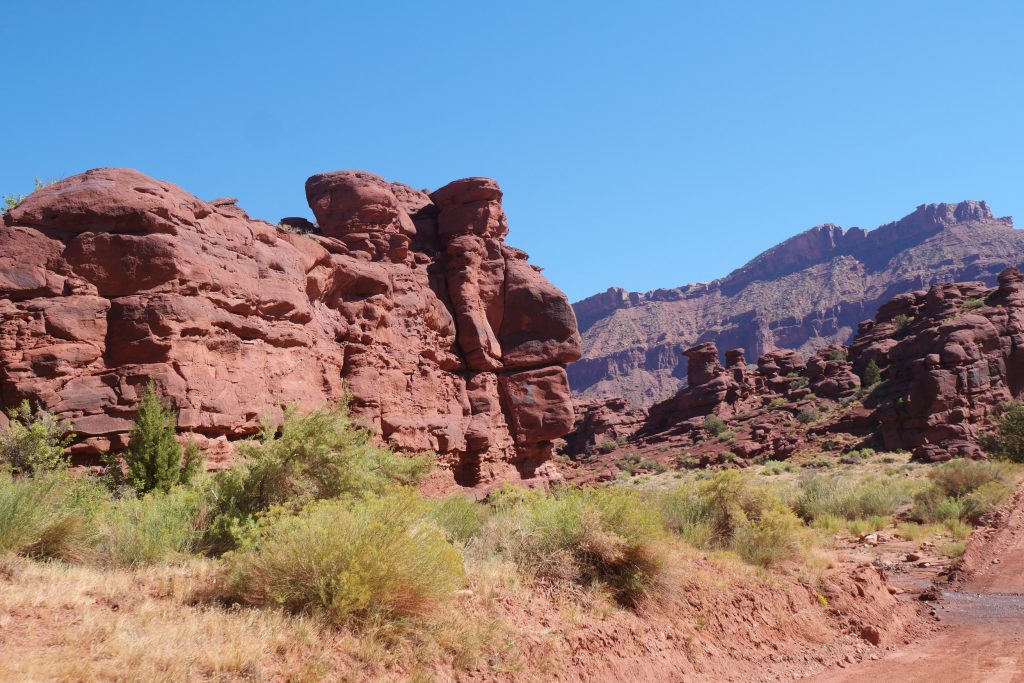
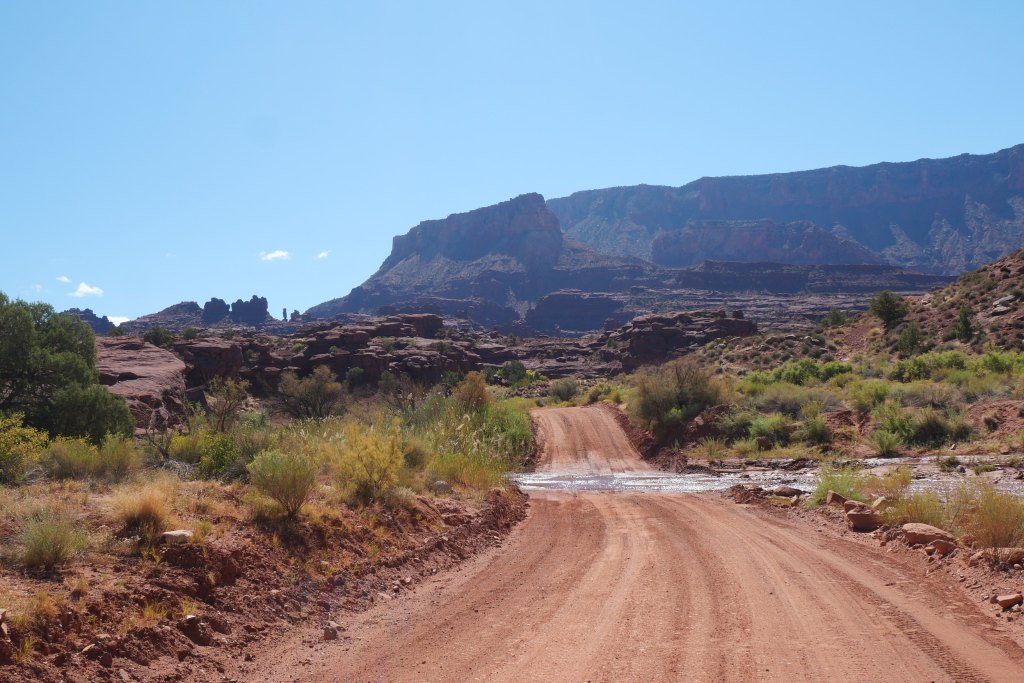
The road crossed the creek 27 times. As we reached the end of the 14 miles, the creek began to smell like sulfur due to the salts. The road was narrow, winding, and sometimes was right on a ledge. Very fun overall.
I think this looks like a Flinstone house.
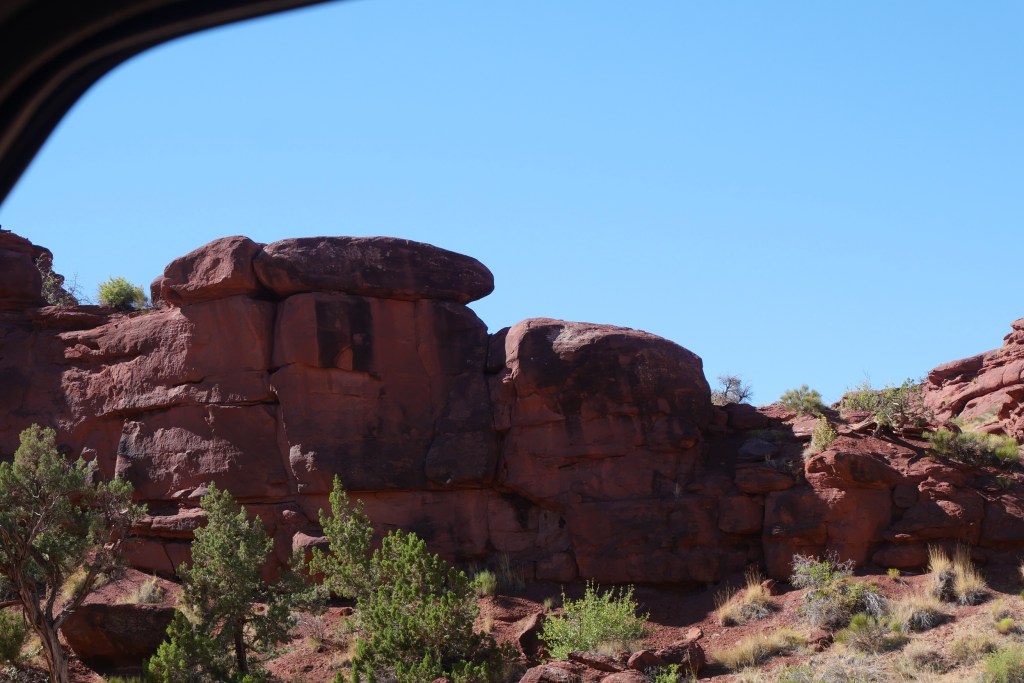
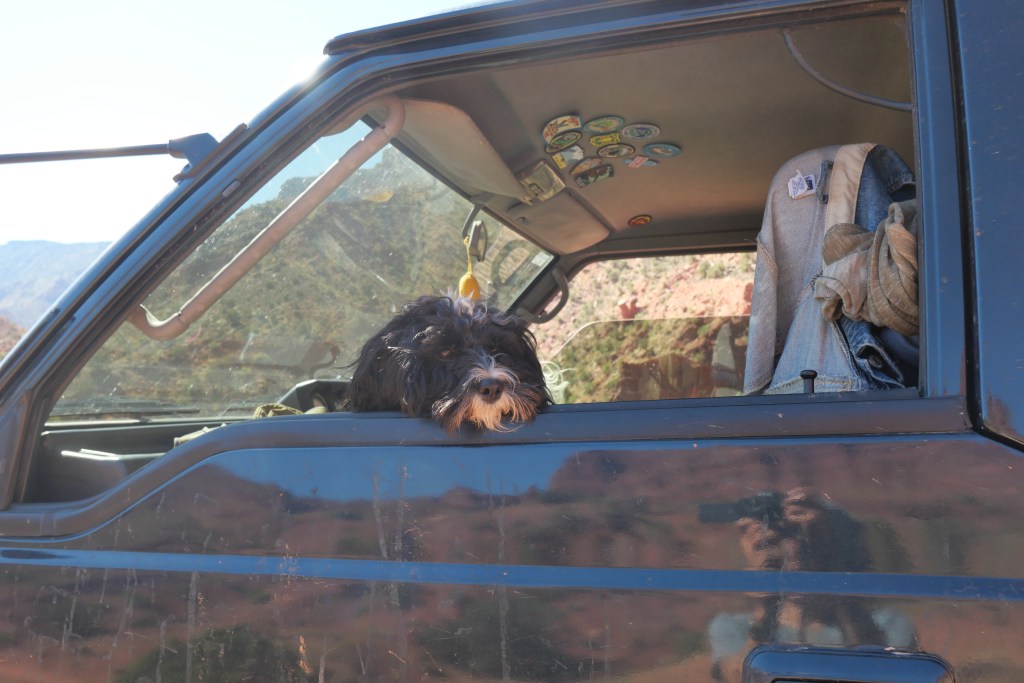
Poppy was bored.
The other highlight of staying at this campground was seeing the Milky Way at night. It was the first time we had been able to see it during our entire travels, either due to cloudy skies, light pollution, or haze from fires.
The final incredible Utah camping experience was on the day we visited Arches NP. We were headed to Colorado. Didn’t know where we were going to camp.
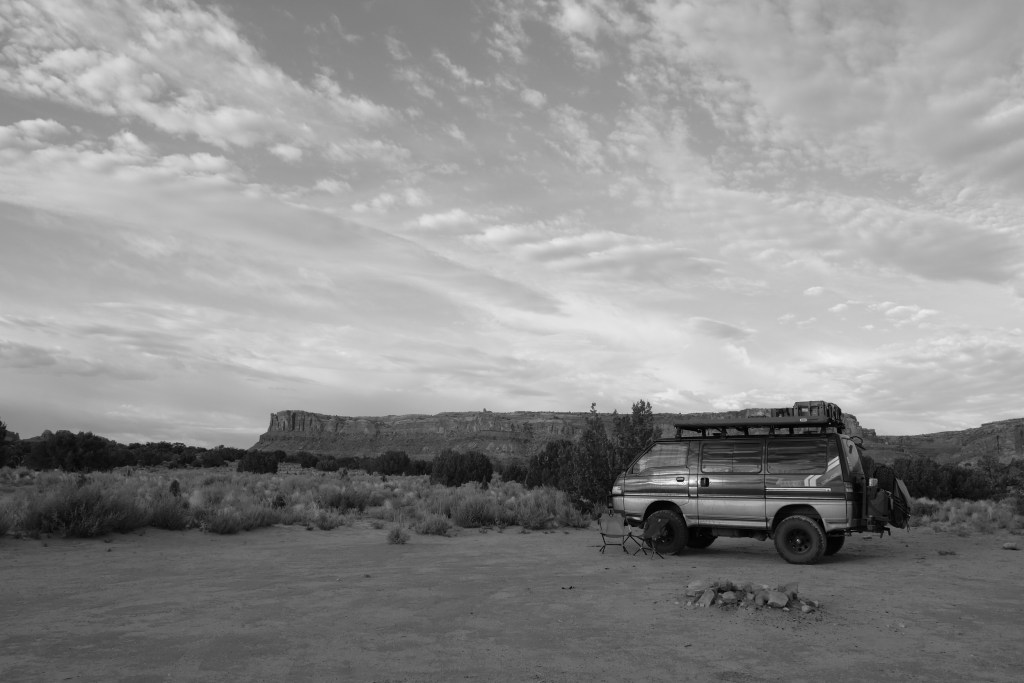
We saw campers in the distance and pulled off the highway to check it out. Turns out it was former BLM land turned into UtahRaptor State Park. There were plenty of campsites. We found a large flat spot and settled in for the night. And were rewarded with the Milky Way again.
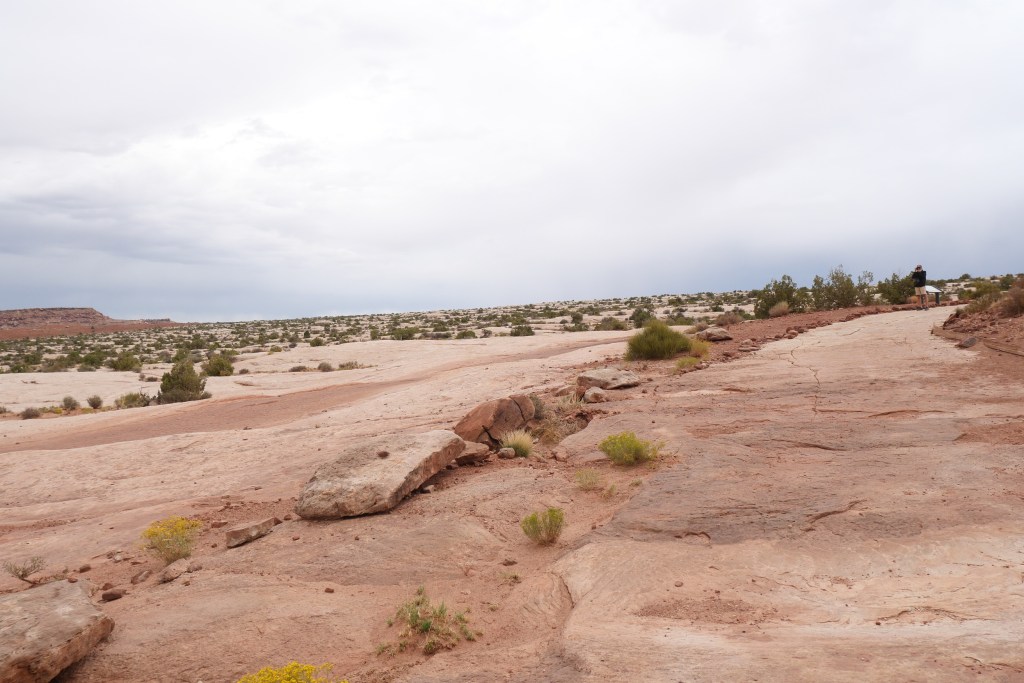
We had another opportunity to explore the next day. We took a different dirt road from the one we took in. As we drove, we saw the sign: Dinosaur Tracks, open-air museum.
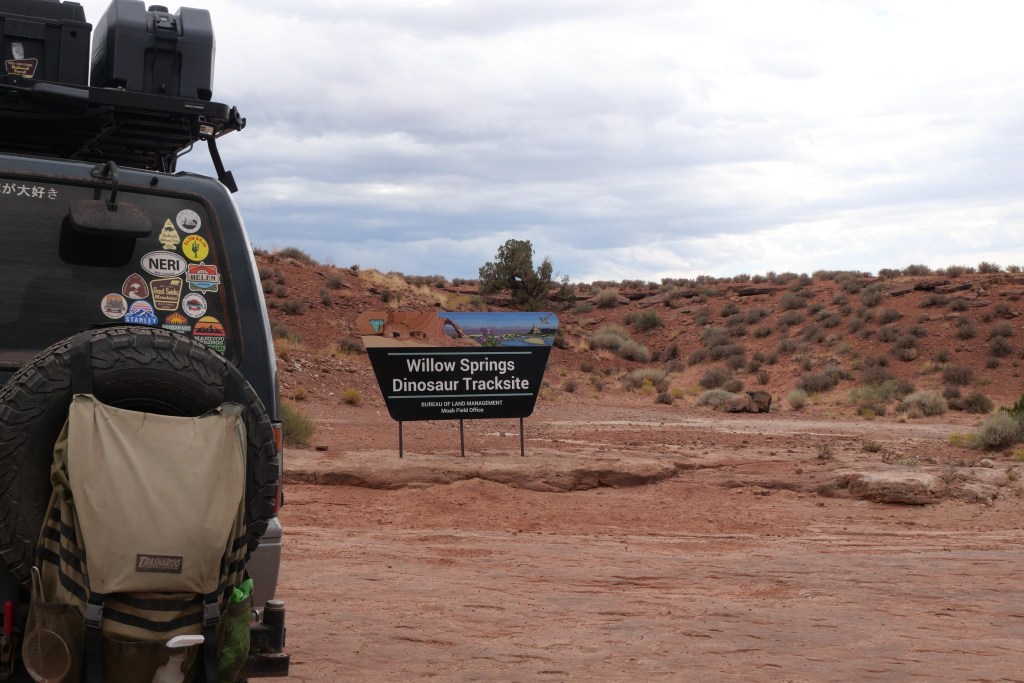
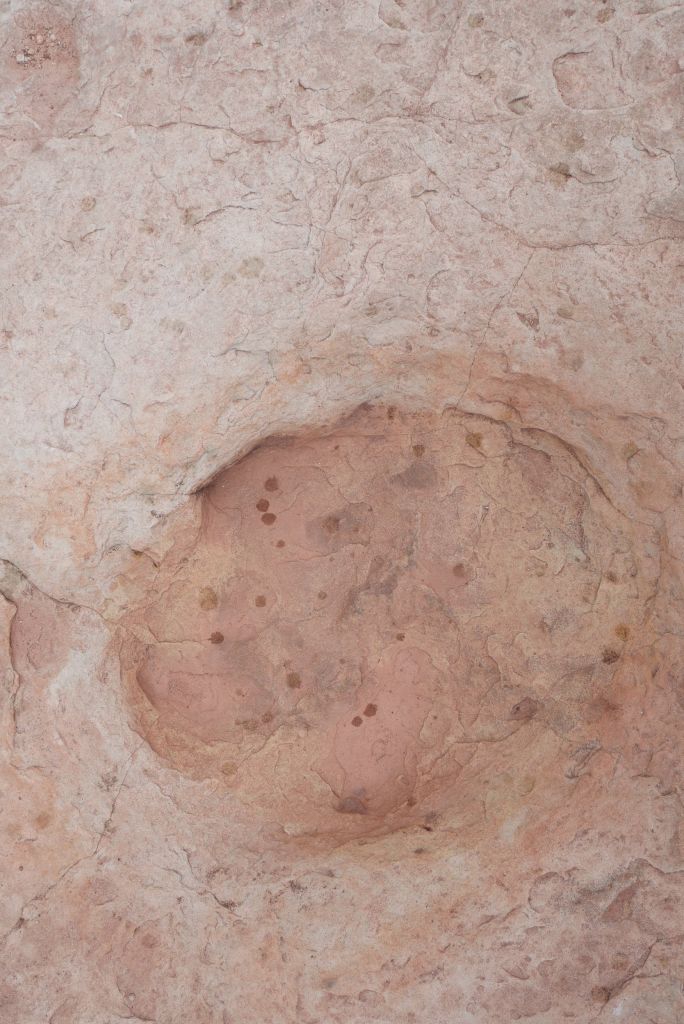
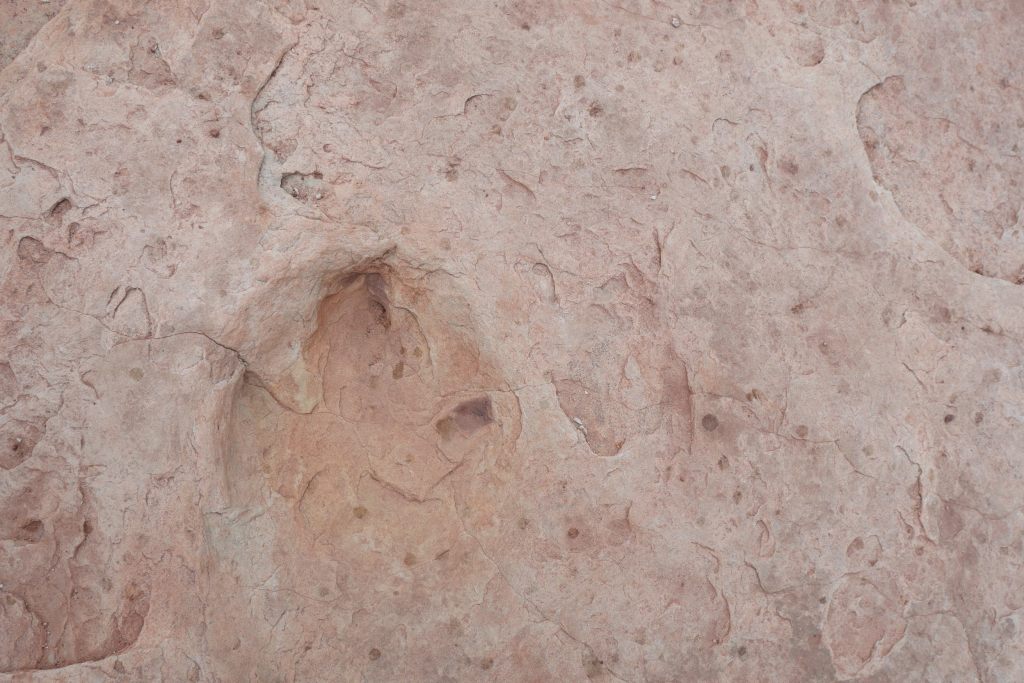
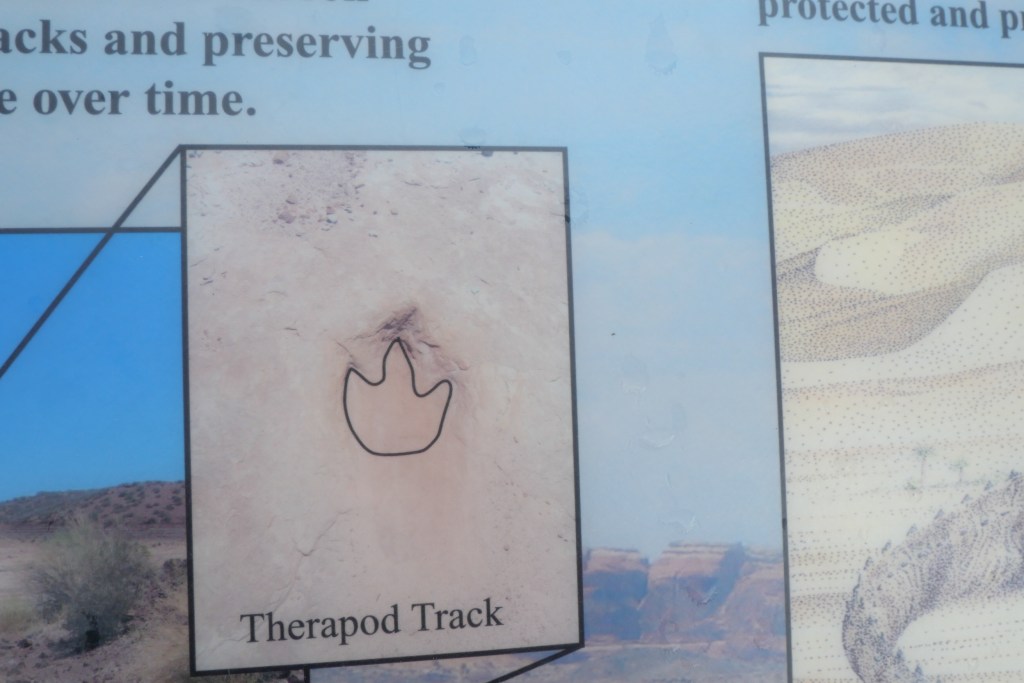
How exciting. We kept going until we were driving on slick rock. We arrived as a storm approached. We waited until the lightning stopped and got out to see the Dinosaur Tracks.
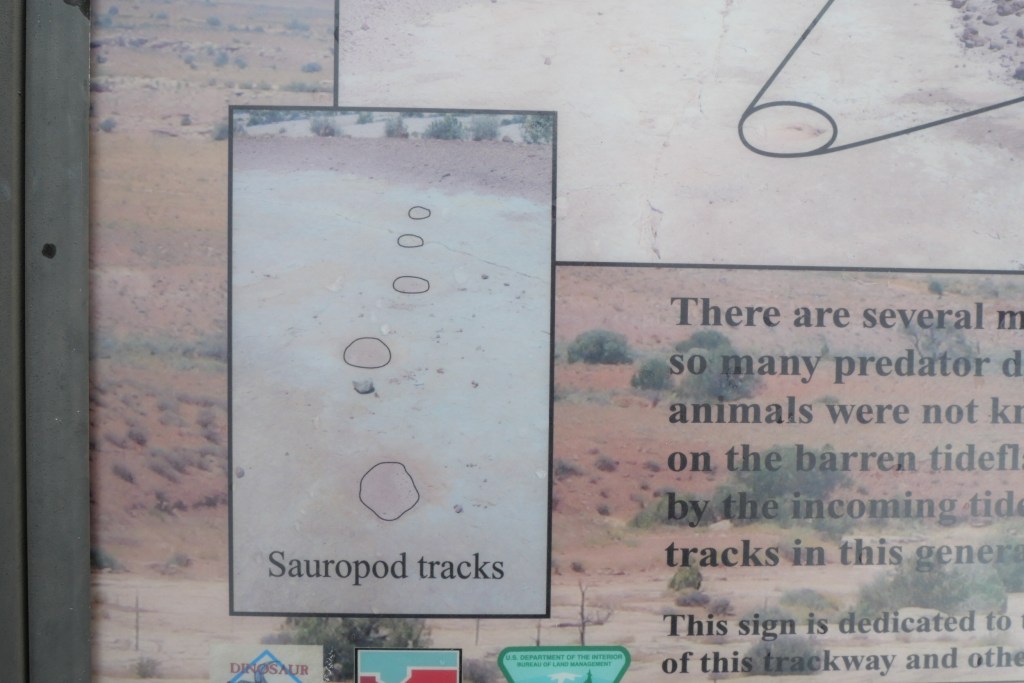
This site is unusual because so many human-sized predator tracks are in the area, a shallow sea that covered the Moab area during the late Jurassic period 165 million years ago. Over 2,500 tracks have been found in the area of Arches NP, public and state land.
We have the best experiences when we explore and go down dirt roads, not knowing what we’ll see or find. I feel very fortunate that we’ve had the time to be flexible with our time.
 WanderLyd